 GOAT TATTOO
Tattoos With Lupus, RA or MS: What to Check First
Published October 21, 2026
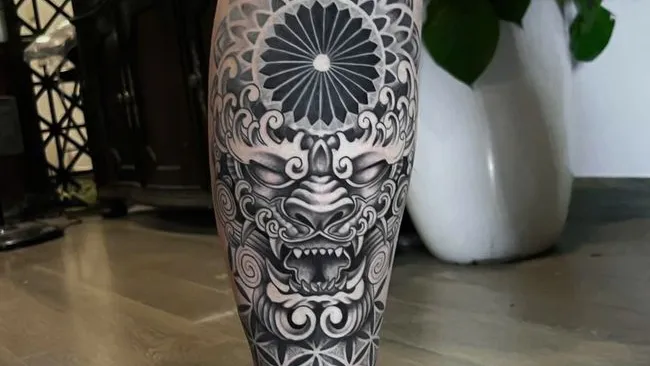
Short answer: many people with lupus, rheumatoid arthritis, multiple sclerosis and other autoimmune conditions get tattoos without problems. Three things decide whether it’s a good idea for you right now. First, your condition should be stable, not in a flare. Second, check whether your medication suppresses the immune system, which slows healing and raises infection risk. Third, the skin you want tattooed must be healthy, with no active rash or lesions. Talk to your rheumatologist or specialist first, start small, and choose a studio with strict sterile technique.
There’s no single rule for “autoimmune disease”, because the conditions and treatments are so different. Here’s what matters and what to ask.
The three things that matter most
- Disease activity. A tattoo is a wound your body has to heal. During a flare, the immune system is already busy and healing is less predictable. Aim for a period your doctor considers stable.
- Medication. Some treatments barely matter for a tattoo; others turn the immune system down significantly (see below).
- The skin itself. Never tattoo over active lesions, rashes, plaques or scarring from the disease.
Medications that change the picture
Immunosuppressive treatments make infections more likely and can slow healing. Common ones include:
- Corticosteroids such as prednisone, especially long-term. See our steroids guide.
- Conventional immunosuppressants such as methotrexate, azathioprine, mycophenolate and leflunomide.
- Biologics and JAK inhibitors such as adalimumab, etanercept, infliximab, rituximab, tofacitinib and similar drugs.
- Some MS disease-modifying treatments that lower immune cell counts.
Hydroxychloroquine, often used for lupus and RA, is not generally considered strongly immunosuppressive, but mention it anyway.
Never stop or pause a treatment on your own to get a tattoo. If timing matters, for example scheduling around an infusion or injection cycle, your specialist is the one to decide.
The Koebner effect: when skin injury triggers a flare in the skin
Some conditions can appear in skin that has been injured. This is called the Koebner phenomenon. It’s well known in psoriasis, vitiligo and lichen planus, and it has also been reported in cutaneous lupus. In practice that can mean the condition showing up along the tattoo lines. It doesn’t happen to everyone, but if your condition affects your skin, ask your dermatologist about the risk and consider a small test piece first. See our guides on psoriasis and eczema and vitiligo.
Can a tattoo trigger a flare?
There’s no good evidence that tattoos cause autoimmune disease. Whether a tattoo can trigger a flare in someone who already has one isn’t well studied. Some people report flares after stress, illness or skin trauma; most report nothing. The honest answer is that it’s individual. That’s why being stable first, starting small and watching how your body reacts make sense.
Condition-specific notes
- Lupus: sun sensitivity is common, and a healing tattoo must be kept out of the sun anyway. Our sun exposure guide helps. If your platelet count is low, you may bleed and bruise more, so ask whether recent blood tests are fine.
- Rheumatoid arthritis: think about positioning. Holding one position for hours can be hard on sore joints, so choose a comfortable placement and ask for breaks. Avoid tattooing over swollen joints.
- Multiple sclerosis: heat can temporarily worsen symptoms for some people with MS. Hanoi is hot and humid for much of the year, so book a shorter session, stay hydrated and cool, and avoid the hottest part of the day getting there.
- Type 1 diabetes and thyroid conditions: if well controlled, these usually aren’t a barrier. See our diabetes guide.
- Crohn’s disease and ulcerative colitis: usually the deciding factor is the treatment (often biologics or steroids) rather than the condition itself.
A sensible plan
- Talk to your specialist about disease activity, your medication and your skin.
- Start with a small, simple piece in one short session.
- Pick placement on healthy skin, away from areas the disease affects.
- Follow aftercare strictly and get any warning sign checked early: spreading redness, heat, pus, fever, or unusual pain.
- If you’re traveling, bring all medication for the whole trip and consider travel insurance that covers your condition.
Read normal healing vs. infection so you know what to watch for.
At GOAT Tattoo Studio
Tell us about your condition and medication when you message us or at your consultation. Your artist can then suggest a size, placement and session length that fit your situation. Every session uses single-use needles opened from a sealed pack in front of you and hospital-grade sterilization; our hygiene checklist explains what to look for in any studio. You can send questions on WhatsApp at +84 982 686 854.
Related Guides
- Tattoos and Medical Conditions: What to Know Before Booking
- Tattoo on Prednisone or Cortisone? Tablets vs. Creams
- Tattoos With Eczema, Psoriasis, or an Ink Allergy
- Getting a Tattoo With Vitiligo: What to Actually Know
- Getting a Tattoo With Diabetes: What to Actually Know
- New Tattoo in the Sun: When Can You Use Sunscreen? (Vietnam Trip Guide)
- How to Check a Tattoo Studio's Hygiene in Hanoi
- Is Your Tattoo Healing Normally, or Is It Infected?
Ready to book your tattoo in Hanoi?
Send us your idea and preferred dates — we'll reply with a clear quote before you sit in the chair.
Book Now