 GOAT TATTOO
Keloid-Prone Skin and Getting a New Tattoo
Published August 29, 2026
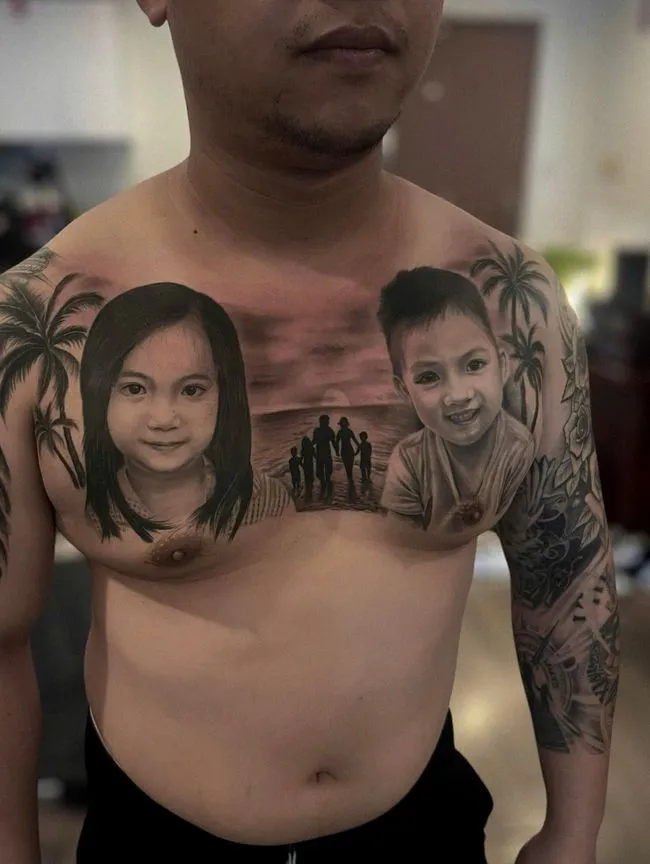
We get questions about keloid risk from two different angles — one is about tattooing over an existing scar, which our guide to tattooing over scars and moles covers. This one is different: whether a brand-new tattoo on ordinary, unscarred skin could itself trigger keloid formation, since tattooing is technically a controlled skin injury.
What a keloid actually is
A keloid is a raised, thickened scar that grows beyond the original wound’s edges — different from a normal scar, which stays roughly within the boundary of the injury, and different from a hypertrophic scar, which is raised but doesn’t spread outward the same way. Any break in the skin can theoretically trigger one in someone genuinely prone to them, and a tattoo needle does create thousands of tiny punctures, so the concern itself is reasonable, not overblown.
What actually raises the risk
Genuine keloid predisposition is largely genetic — the strongest single indicator is a personal or close family history of keloid scarring from previous cuts, piercings, or injuries. It’s also documented as more common in some skin tones than others, though it’s not exclusive to any one group, and having darker skin alone doesn’t mean keloid formation is likely. Certain placements — the chest, shoulders, upper back, and earlobes in particular — are more commonly associated with keloid formation than other areas, independent of the tattoo itself.
What this actually means for your decision
Having a genuine keloid predisposition doesn’t automatically mean you can’t get tattooed — it means it’s worth an honest conversation before you do, particularly if you’re considering one of the higher-risk placements mentioned above. If you or a close family member has developed a keloid before from a cut, piercing, or previous tattoo, that’s real, relevant information for your artist to know, not something to leave out of the consultation.
What actually helps if you’re in this category
- Mention your history directly, even if the previous keloid wasn’t from a tattoo. A keloid from an earpiercing or a cut is still a meaningful data point, not something to dismiss as unrelated.
- Placement choice matters more for you specifically. If you’re keloid-prone, choosing a lower-risk placement over the chest, shoulder, or upper back is a genuinely reasonable way to reduce risk while still getting tattooed.
- Aftercare diligence matters more here too — proper healing reduces excess trauma to the area, and following aftercare guidance closely is a real, practical thing within your control.
Quick answers to the questions people actually ask
- Can you get a tattoo with keloid-prone skin? Yes — being prone to keloids doesn’t rule out getting tattooed, it just means placement choice and a candid consultation matter more for you than for most people.
- Can a tattoo itself cause a keloid, not just tattooing over a scar? Yes, in theory — any break in the skin can trigger one in someone genuinely predisposed, and a tattoo needle does create thousands of tiny punctures, which is exactly the concern covered above.
- Does everyone with darker skin form keloids from tattoos? No — keloid formation is documented as more common in some skin tones, but darker skin alone doesn’t mean it’s likely; genuine predisposition is mostly about personal or family history, not skin tone by itself.
What to expect at GOAT Tattoo Studio
If you have a personal or family history of keloid scarring, tell us during your consultation — we’ll talk through it honestly, including placement considerations, rather than either dismissing the concern or refusing to discuss it. Every session uses single-use needles and sterile equipment regardless, but this is genuinely worth flagging ahead of time.
Related Guides
Ready to book your tattoo in Hanoi?
Send us your idea and preferred dates — we'll reply with a clear quote before you sit in the chair.
Book Now