 GOAT TATTOO
Lion Tattoo Meaning: Guardian vs. King
Published September 27, 2026
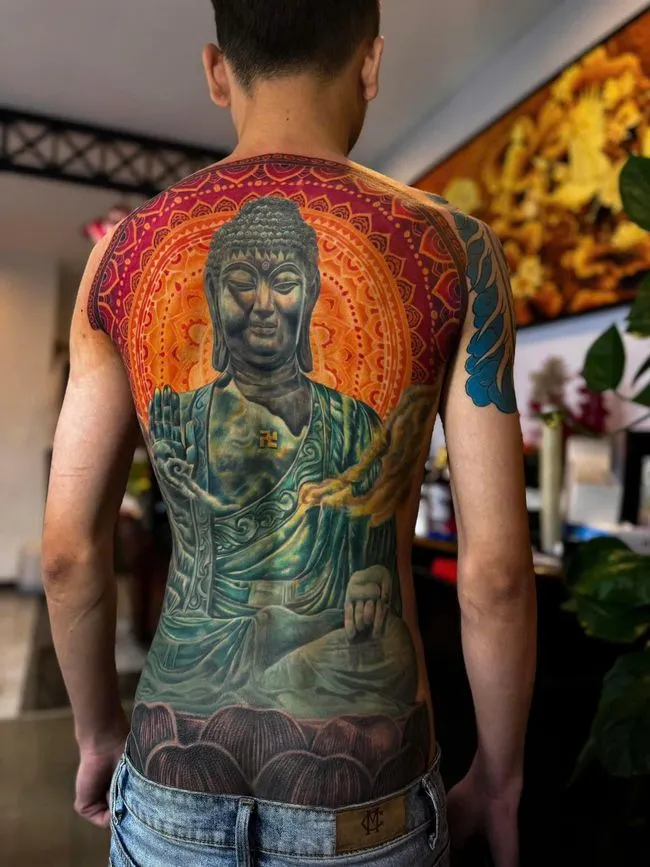
The lion is one of the most requested tattoo subjects for anyone wanting a symbol of strength, but the specific meaning it carries genuinely splits along two different lines depending on which tradition you’re drawing from — in ancient Egypt and China, the lion is primarily a protector standing guard, while in European heraldic tradition, it’s a personal symbol of courage and sovereignty. They’re related ideas, but not quite the same claim.
Ancient Egypt: Sekhmet and the lion as protector, not just power
In ancient Egyptian religion, the lioness-headed goddess Sekhmet — daughter of the sun god Ra — was a war and protection deity, believed to guard pharaohs and punish their enemies rather than simply embody raw strength for its own sake. The Great Sphinx of Giza reinforces the same idea in a different form: a lion’s body fused with a human head, built to stand guard rather than to threaten. In this tradition, the lion’s power is specifically in service of protecting something, not power as an end in itself.
Chinese guardian lions: protection at the threshold, not the “king of the jungle”
China has no native lion population, yet stone guardian lions (shishi) have flanked the entrances of imperial palaces, temples, and tombs since at least the Han dynasty, brought into the tradition through contact with regions that did have lions. They’re traditionally carved in pairs — a male with a paw resting on a globe representing authority over the world, and a female with a cub beneath her paw representing protection of the next generation. This is a genuinely different framing from the “apex predator, king of the jungle” reading common elsewhere: the Chinese guardian lion’s job is specifically to watch a threshold, not to dominate a hierarchy.
European heraldry: the lion rampant and the “King of Beasts”
Medieval European heraldry took a different direction, using the lion rampant (shown standing on its hind legs, forepaws raised) as a personal symbol of courage, nobility, and sovereignty — most famously on England’s Royal Arms and in the nickname of Richard I, “Richard the Lionheart.” This is the tradition behind the common “king of beasts” framing: the lion representing an individual ruler’s own courage and authority, not a protective role guarding something else.
What actually matters when choosing
If it’s a protector or guardian meaning you’re after, the Egyptian Sekhmet association or a Chinese guardian-lion-style pairing communicates that more specifically than a generic maned lion does. If you want the personal courage-and-sovereignty reading — strength as your own trait rather than a role you’re playing — a heraldic lion rampant fits that better. Both are genuinely real traditions; it’s worth being clear with your artist about which one you actually mean, since the pose and composition differ between them.
What to expect at GOAT Tattoo Studio
We’re happy to talk through which lion tradition and pose actually fits what you’re going for at your consultation — our guide to animal tattoo meanings covers other commonly requested animal subjects worth understanding beyond how they look.
Related Guides
Ready to book your tattoo in Hanoi?
Send us your idea and preferred dates — we'll reply with a clear quote before you sit in the chair.
Book Now