 GOAT TATTOO
Preparing for a Multi-Session Tattoo Project
Published August 19, 2026
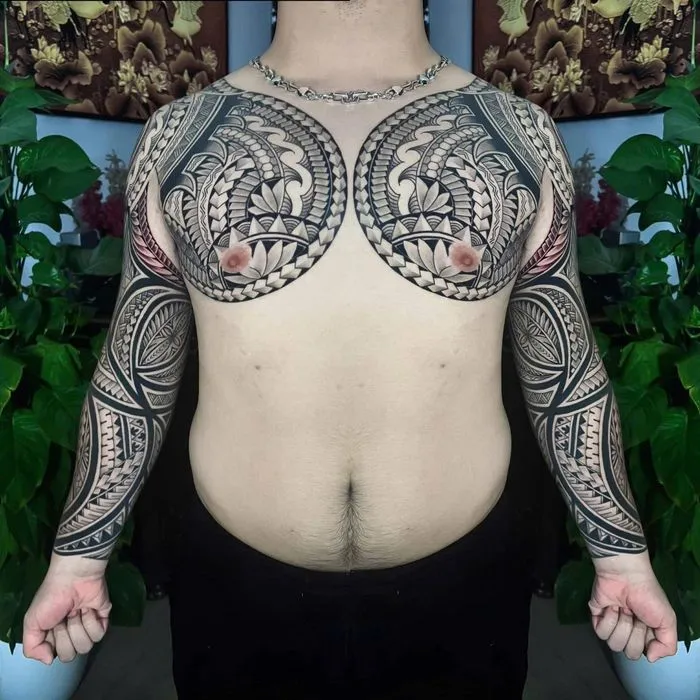
Once you’ve decided on a large piece, the practical questions shift from “should I” to “how does this actually go” — how much time sits between sessions, what you should do to prepare for each one, and how payment actually works across a project that stretches over months. Here’s the honest, practical version.
How much time actually goes between sessions
Skin needs real time to heal before it can handle another session in the same area, and rushing that timeline causes real problems, not just inconvenience:
- A realistic minimum is 2-4 weeks, but many artists prefer spacing sessions 4-6 weeks apart, especially for full sleeves or backs where a lot of skin is involved.
- Rushing it risks reopening skin that hasn’t fully healed, which can mean more irritation and swelling, and ink that doesn’t settle as evenly as it should.
- This is why a full sleeve or back realistically takes months, not weeks, from first session to finished piece — it’s not the tattooing itself that takes that long, it’s the healing time built into a responsible schedule.
Preparing for each individual session
The prep that actually matters is simple and consistent, session after session:
- Sleep properly the night before. A tired body handles a long session noticeably worse than a rested one.
- Eat a real meal beforehand and stay hydrated. Long sessions are physically demanding, and showing up hungry or dehydrated makes the session harder than it needs to be.
- Avoid sun exposure or sunburn on the area beforehand. Sunburned or freshly tanned skin is more sensitive and harder to work on properly.
- Moisturize the skin in the weeks leading up to your appointment. Well-hydrated skin generally takes ink more evenly than dry skin.
None of this is complicated, but it’s easy to let slip by session four or five of a long project — treating each session with the same preparation as the first one genuinely makes a difference.
How payment actually works across sessions
This is one of the most common practical questions, and the honest answer is simple: you pay session by session as the project goes, not the full amount upfront.
- A deposit typically secures the project and your first appointment, not the entire cost of the finished piece.
- Each subsequent session is paid for as it happens, based on the time worked that day — the same hourly structure covered in our full sleeve and back cost guide.
- This is the normal, expected structure for large work, not a special arrangement. Sleeves and backs are quoted as ongoing projects precisely because they involve multiple sittings and a schedule that can run for months — paying as you go reflects that reality rather than asking you to commit the full total before any work has happened.
Practically, this also makes budgeting easier: you’re spreading a large total across several payments tied to actual sessions, rather than facing one large payment before the piece even begins.
Bringing it together
A large piece is as much a scheduling and planning project as it is an artistic one — leaving real healing time between sessions, showing up prepared each time, and paying as the work actually progresses. None of it is complicated once you know what to expect, which is really the point of laying it out honestly upfront.
What to expect at GOAT Tattoo Studio
We’ll map out a realistic session schedule with you during your consultation, based on the specific piece you’re planning, and walk you through exactly how payment works session by session before your first appointment — so there are no surprises partway through a project that might span several months.
Related Guides
Ready to book your tattoo in Hanoi?
Send us your idea and preferred dates — we'll reply with a clear quote before you sit in the chair.
Book Now