 GOAT TATTOO
Phoenix Tattoo Meaning Explained
Published August 31, 2026
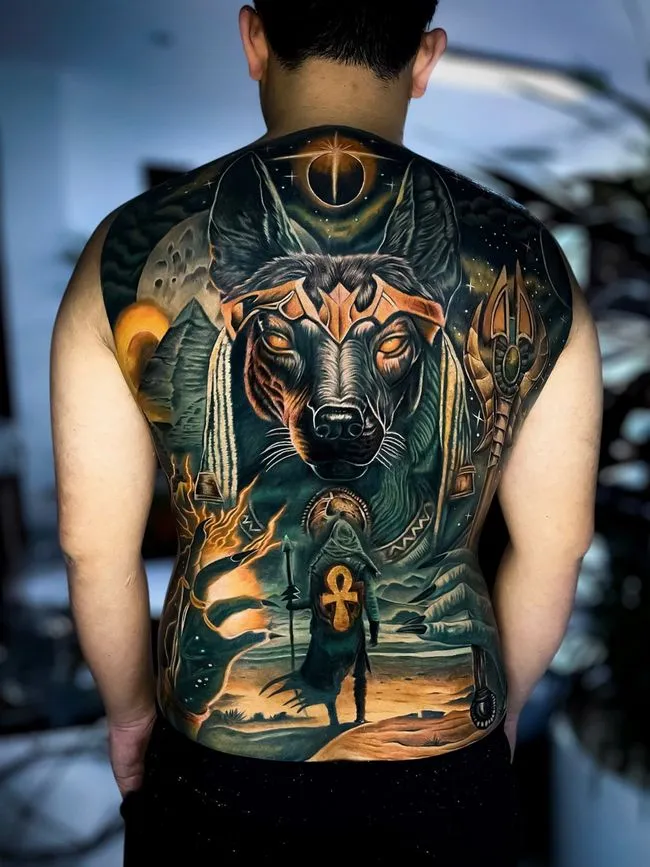
The phoenix is a genuinely popular rebirth symbol, but “phoenix” isn’t actually a universal name for any sacred firebird across cultures — several genuinely distinct mythological birds get lumped together under that one word in tattoo culture, and it’s worth knowing the real differences before choosing a design.
The Greek phoenix: the actual rebirth-through-fire myth
The phoenix most people picture is specifically the Greek tradition — a solar bird associated with rebirth, immortality, and cyclical renewal, commonly described as self-immolating and rising again from its own ashes. The best-known version of the myth gives it roughly a 500-year life cycle, though later sources vary on the exact number. This self-destruction-and-rebirth mechanism is the specific detail that makes the Greek phoenix distinct from the other birds it commonly gets confused with.
The Egyptian Bennu: a related idea, not the same bird
The Bennu is often casually described as “the Egyptian phoenix,” but that’s an oversimplification worth correcting — it’s more accurately treated as its own distinct Egyptian deity/bird rather than a direct precursor to the Greek phoenix. The Bennu was associated with the sun, creation, and rebirth, and was specifically linked to Ra and Osiris within Egyptian religion. The broad rebirth theme overlaps with the Greek phoenix, but the myths themselves are genuinely separate traditions.
The Chinese fenghuang: a real correction worth making
This is one of the most common conflations in tattoo culture: the fenghuang is not the same symbol as the Western phoenix, despite frequently being translated or marketed as one. The fenghuang’s symbolism isn’t primarily about death by fire and rebirth from ashes at all — it centers on virtue, harmony, prosperity, and yin-yang balance. In traditional pairing, the fenghuang represents empress and feminine power, complementing the dragon’s emperor and masculine power. If you’re choosing a fenghuang-style design specifically for the fire-and-rebirth meaning, it’s worth knowing that’s actually the Greek phoenix’s story, not the fenghuang’s.
Other firebird traditions worth knowing
- The Russian Firebird (Zhar-ptitsa) is a distinct Slavic figure associated with radiance, wonder, and magical quests, rather than the Greek phoenix’s specific rebirth cycle.
- The Persian Simurgh is a separate mythic bird linked to wisdom, healing, and protection rather than self-immolation and rebirth.
What actually matters when choosing
If the rebirth-through-fire meaning is specifically what draws you to this symbol, a Greek-style phoenix design communicates that most directly and accurately. If you’re drawn to a fenghuang-style design for its look, it’s worth choosing it for what it actually represents — harmony, virtue, and feminine power — rather than assuming it carries the fire-and-ashes story, since those are genuinely two different birds with two different meanings.
What to expect at GOAT Tattoo Studio
We’re happy to talk through which firebird tradition and style actually matches the meaning you’re going for at your consultation — our guide to Japanese tattoo motifs covers other traditional subjects worth understanding beyond how they look.
Related Guides
Ready to book your tattoo in Hanoi?
Send us your idea and preferred dates — we'll reply with a clear quote before you sit in the chair.
Book Now