 GOAT TATTOO
Rabbit Tattoo Meaning: Moon Rabbit
Published September 2, 2026
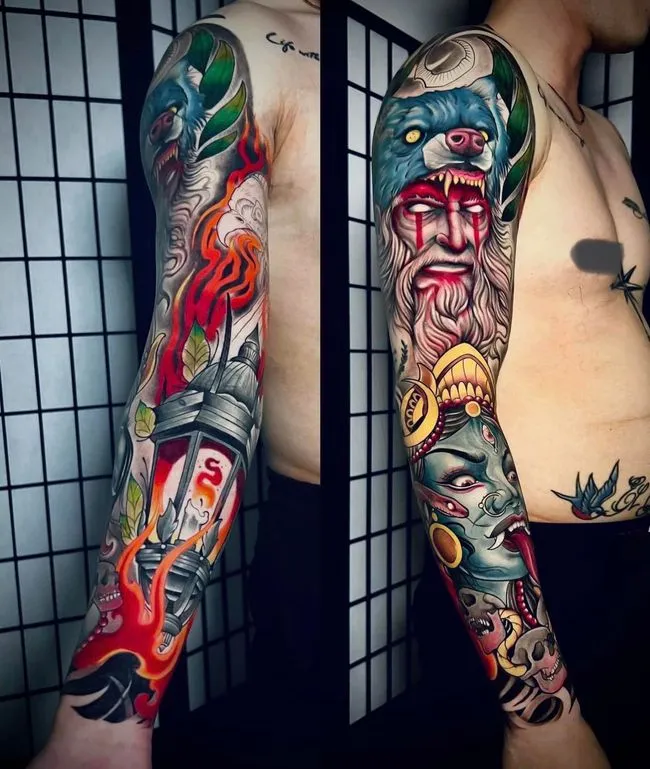
The rabbit is a genuinely popular symbol of luck and quickness, but a few of its traditions are worth knowing precisely — including one popular claim that’s shakier than tattoo culture usually presents it.
The East Asian moon rabbit: a genuinely widespread, specific image
Across Japan, China, and Korea, folklore describes a rabbit living on the moon, its shape traced in the moon’s visible markings — in Japan pounding mochi, in China grinding the elixir of immortality alongside the goddess Chang’e as the Jade Rabbit. It’s worth knowing this isn’t one single myth but a genuinely widespread motif appearing with real variations across multiple East Asian traditions, all reading the same lunar shape differently.
The Aztec “400 rabbits”: gods of excess, not simple fertility
In Aztec religion, the Centzon Totochtin (“400 rabbits”) were a group of interconnected gods associated with pulque (a fermented alcoholic drink), fertility, and drunkenness. It’s worth being precise that this isn’t a generic “rabbits mean fertility” idea — it’s a specific, documented pantheon tied to intoxication and excess as much as abundance, worth naming accurately if this is the tradition you’re drawing on.
The Easter-bunny origin story: more uncertain than it sounds
Rabbits and hares are frequently linked to the goddess Eostre and pre-Christian spring fertility rites as the “true origin” of the Easter bunny — but it’s worth being honest that this connection rests on very thin historical evidence, essentially a single passing mention by the 8th-century monk Bede, with most of the fuller “Eostre mythology” popularly cited today being 19th–20th century reconstruction rather than a well-documented ancient tradition. If you want this meaning, it’s worth knowing you’re choosing a popular modern narrative rather than a solidly attested ancient one.
Modern secular meaning
Quickness, abundance, and luck are widely understood modern readings that don’t require a specific cultural framework — the “lucky rabbit’s foot” tradition alone reflects how directly this association shows up in everyday Western folk custom.
What actually matters when choosing
If the moon rabbit is what draws you, it’s worth knowing which regional version — Japanese, Chinese, or Korean — you’re actually referencing, since the details genuinely differ. If it’s the Aztec tradition, the Centzon Totochtin are specifically tied to pulque and excess, not generic fertility. And if the Eostre/Easter connection is your reason, it’s honest to know you’re drawing on a popular modern reconstruction rather than a well-documented ancient belief.
What to expect at GOAT Tattoo Studio
We’re happy to talk through which tradition and meaning you’re actually going for at your consultation — our guide to animal tattoo meanings covers other commonly requested animals worth understanding beyond how they look.
Related Guides
Ready to book your tattoo in Hanoi?
Send us your idea and preferred dates — we'll reply with a clear quote before you sit in the chair.
Book Now