 GOAT TATTOO
Self-Tanner and Fake Tan Over a Tattoo: What Actually Happens
Published September 25, 2026
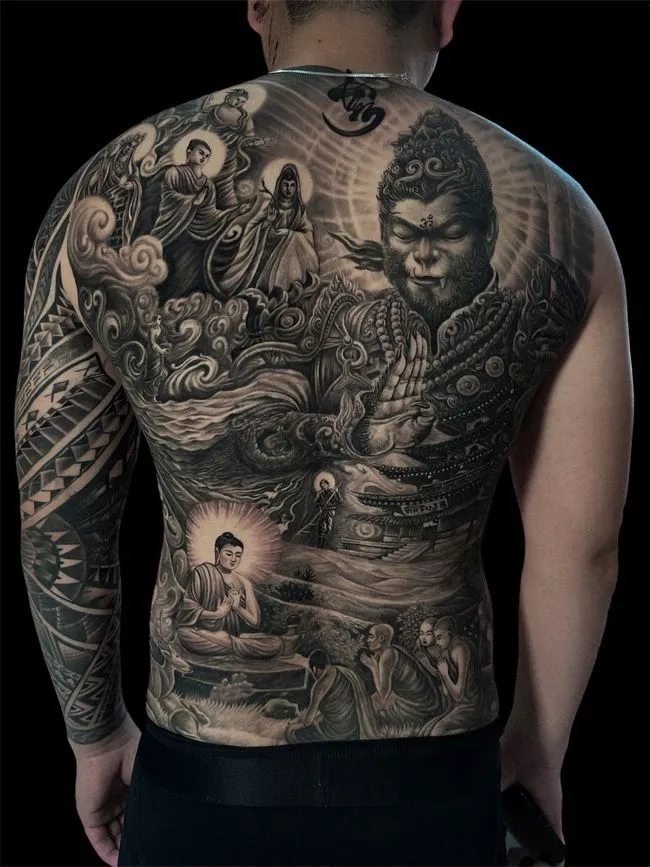
Self-tanner and tattoos is a genuinely common question with two very different answers depending on one thing: is the tattoo healing, or is it fully healed? The two situations aren’t remotely similar, so it’s worth treating them separately rather than as one blanket rule.
On a healing tattoo: don’t
A fresh or healing tattoo is broken skin for roughly the first one to two weeks, and self-tanner is a cosmetic product formulated for intact skin, not an open wound. The active ingredient, DHA, reacts with amino acids in the outer dead skin layer to produce color — on healing, still-forming skin, that reaction is unpredictable and the product itself (along with any fragrance, alcohol, or preservatives in it) is an irritant you genuinely don’t want sitting on top of a tattoo that’s still closing up. It can sting, cause uneven patchiness that has nothing to do with the tan and everything to do with irritated skin, and in the worst case introduce something the wound doesn’t need while it’s still vulnerable to infection. The same logic that applies to keeping bug spray off fresh ink applies here — protect the area physically and keep cosmetic products off it entirely until it’s actually closed and no longer scabbing or peeling.
On a fully healed tattoo: it’s genuinely fine, with one honest caveat
Once a tattoo is completely healed — no scabbing, no peeling, skin fully closed and settled — self-tanner is not damaging to the ink itself. Tattoo pigment sits in the dermis, well below where DHA does its work in the outermost dead skin cells, so there’s no chemical interaction reaching the ink. What it does affect is how the tattoo looks while you’re wearing it, and that’s worth knowing about upfront:
- Tattooed skin can take self-tanner slightly differently than untattooed skin around it, sometimes developing a marginally different depth of color over dense ink — usually subtle, occasionally noticeable on the first application until you get a feel for how your specific tattoo reacts.
- It can temporarily mute a tattoo’s contrast while it’s on, since a layer of tan sits over the top of the design. This isn’t permanent and isn’t fading — it washes and exfoliates off on the tan’s normal schedule, at which point the tattoo looks exactly as it did before.
- Even, gentle exfoliation before application helps self-tanner go on more evenly over any texture, tattooed skin included, and reduces the odds of visible unevenness right over the design.
- No, it won’t meaningfully hide or camouflage a tattoo. A layer of tan doesn’t obscure ink sitting in the dermis — if the goal is actually concealing a tattoo rather than just tanning normally, self-tanner isn’t the tool for that.
The actually useful part: it’s a genuinely safer way to get color
Here’s the more interesting angle most people don’t think about: self-tanner doesn’t fade your tattoo, and real sun exposure or a tanning bed genuinely does. UV light is one of the main drivers of long-term ink fading — it’s part of how tattoos actually fade over time — so if you’re choosing between working on a tan in real sun near a tattoo you care about versus a sunless product, self-tanner is the option that doesn’t cost you any color over time. It’s not a substitute for sun protection on a tattoo you’re going to expose to real sunlight anyway, but as a way to get color without adding UV exposure specifically for the tan, it’s a genuinely reasonable choice.
What to actually do
Wait until a new tattoo is completely healed before any self-tanner goes anywhere near it — that’s the one firm rule. After that, normal application is fine; expect the first use to look slightly different over the ink until you know how your tattoo takes it, and don’t expect it to hide the design. If you’re getting tattooed on a trip and also planning to keep up a tan, sequence the two — finish tanning, then get tattooed, or get tattooed first and hold off on self-tanner until you’re fully healed, rather than trying to do both at once.
What to expect at GOAT Tattoo Studio
We’ll tell you exactly when your specific tattoo is far enough along to safely use products like this again — it genuinely varies a little by placement and how you personally heal, so it’s worth asking directly rather than guessing from a generic timeline.
Related Guides
Ready to book your tattoo in Hanoi?
Send us your idea and preferred dates — we'll reply with a clear quote before you sit in the chair.
Book Now