 GOAT TATTOO
Stick-and-Poke vs. Machine Tattoos: What's Different
Published August 26, 2026
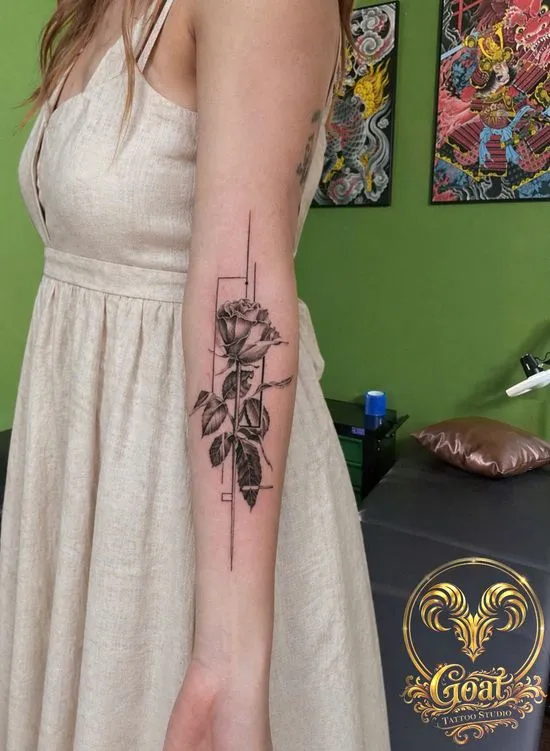
Stick-and-poke has genuinely grown as a trend, especially the DIY version people try at home or get from a friend with a home kit — so it’s worth understanding honestly what actually separates it from a machine tattoo, and where the real risk is (it’s usually not where people assume).
What stick-and-poke actually is
Stick-and-poke, also called hand-poke, means pigment is inserted manually with a needle, one puncture at a time, rather than with an electric machine driving the needle rapidly and consistently. It’s worth knowing this isn’t purely a modern DIY invention — hand-tattooing has a legitimate traditional lineage in several cultures, Japanese tebori being a well-known example, done by trained practitioners with real skill and technique. The modern DIY trend and traditional hand-tattooing are related in method but very different in context.
What’s genuinely different from machine work
- Depth and consistency are harder to control by hand. A machine delivers the needle at a steady, repeatable speed and depth; manual puncturing is inherently less uniform, which is part of why stick-and-poke often has a softer, sometimes intentionally imperfect look compared to machine linework.
- Healing and longevity come down to skill more than method. Done properly — correct depth, sterile equipment, good aftercare — hand-poked tattoos can heal well and last comparably to machine tattoos. Done shallow or inconsistently, ink may not sit evenly in the dermis, which is when stick-and-poke tattoos fade faster or look patchy over time. The technique itself isn’t the deciding factor; execution is.
- The aesthetic is a genuine, intentional choice for some people — a more minimal, handmade look, distinct from the crisp consistency machine work is generally known for.
Where the real safety risk actually comes from
This is the part worth being direct about: the danger with stick-and-poke isn’t the hand-poke technique itself, it’s the setting it usually happens in. DIY kits, home tattoos done by an untrained friend, and unlicensed practitioners are where the real risks concentrate — infection, bloodborne pathogen exposure, reused or improperly sterilized needles, and inconsistent depth that can genuinely damage skin rather than just look imperfect. A trained artist working with sterile, single-use equipment and proper hygiene protocols is a completely different situation from a home kit, even though both are technically “stick-and-poke.”
What to actually check if you’re considering it
- Ask directly whether the equipment is single-use and sterile, the same question worth asking at any studio regardless of technique — our studio hygiene checklist covers what a legitimate answer actually looks like.
- A trained artist should be honest about what stick-and-poke can and can’t do well. Dense, highly detailed, or very fine work is generally a harder ask by hand than with a machine — a good artist will tell you if your idea is better suited to one method or the other.
- “Handmade” is not the same claim as “safe.” The aesthetic reason to choose stick-and-poke is legitimate; it just doesn’t say anything on its own about whether the equipment and setting are actually sterile.
What to expect at GOAT Tattoo Studio
We work with machine tattooing, which means consistent depth and line work across styles from fine line to bold color pieces. If a specific hand-poke design is what you’re after, it’s worth confirming directly with any studio, including us, whether that’s a technique they actually offer before booking — not something to assume either way.
Related Guides
Ready to book your tattoo in Hanoi?
Send us your idea and preferred dates — we'll reply with a clear quote before you sit in the chair.
Book Now