 GOAT TATTOO
Tattoo Bleeding or Itching? What's Normal and What to Do
Published October 21, 2026
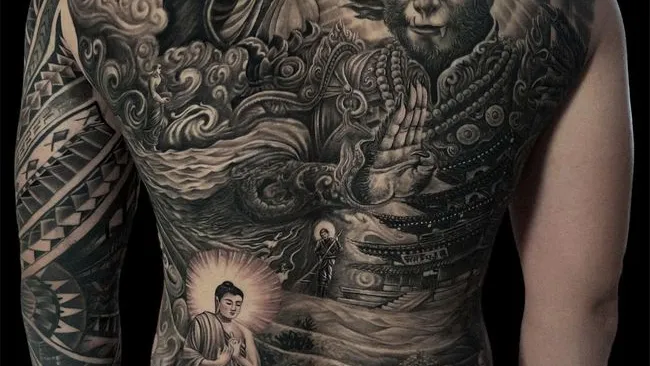
Short answer: yes, both are normal. A tattoo bleeds a little during the session and oozes clear-to-yellowish plasma mixed with ink for the first 24–48 hours. It then usually itches from about day 3–4 to day 14 while the skin flakes. Don’t scratch: pat or tap it, keep it lightly moisturized and cool. It’s not normal if fresh bleeding starts again days later, the itch comes with spreading redness, heat or pus, or a raised, itchy rash appears weeks or months later.
These are two of the most searched “is this normal?” questions after a new tattoo. Here’s what each one looks like, why it happens, and when to get it checked.
Why a tattoo bleeds during the session
Tattoo needles go into the upper layer of the dermis, which has small blood vessels, so a few spots of blood are expected. Your artist wipes the skin constantly while working. How much you bleed depends on:
- The placement: thin, bony or very worked-over areas tend to bleed more.
- Long sessions and color packing, where the same skin is worked several times.
- Things that thin the blood: alcohol in the 24 hours before, and painkillers like aspirin and ibuprofen. See our guides on alcohol before a tattoo and which painkillers to avoid.
- Medication: if you take blood thinners, tell your artist and ask your doctor before booking.
Heavy bleeding makes the artist’s job harder, because blood pushes ink back out of the skin. That’s one practical reason to arrive sober, fed and rested.
Oozing in the first 24–48 hours
After the session, the tattoo keeps weeping for a day or two: a mix of plasma (clear to light yellow), a little blood and excess ink. It’s common to wake up with ink on the sheets the first night. This is normal. Gently wash the tattoo with clean hands and mild soap, pat it dry with a clean paper towel, and follow the bandage instructions your artist gave you.
When bleeding isn’t normal
- Fresh bleeding several days later. This is almost always from picking a scab, scratching, or friction from tight clothes or straps. Stop the cause, keep it clean, and let it heal; that spot may need a small touch-up later.
- Bleeding that won’t stop with light pressure, or that keeps going well past the first day. Get it checked by a doctor.
- Thick yellow-green pus, spreading redness or fever. Those are infection signs, not bleeding. Read how to tell normal healing from infection.
Why a healing tattoo itches
From around day 3–4 the skin starts repairing itself and the top layer peels like a sunburn. The new skin is dry and tight, and that’s what itches. It’s usually worst between days 5 and 10 and fades by the end of the second week. Hanoi’s heat and humidity can make it worse, because sweat sitting on the skin irritates it; our humidity healing guide covers that in detail.
How to stop the itch without scratching
- Pat or gently tap the area with a clean hand instead of scratching.
- A thin layer of moisturizer, a few times a day. Too much can trap sweat; a thin film is enough. See our aftercare products guide.
- Cool it down: air-conditioning, a fan, or a lukewarm (not hot) shower. A clean, cool compress over clean skin also helps.
- Loose, breathable clothing so the fabric doesn’t rub the flakes off.
- Don’t pick the flakes. Pulling them off early can take ink with them and leave light patches.
- Antihistamines: if the itch keeps you awake, ask a pharmacist whether one is suitable for you. Pharmacies are easy to find around the Old Quarter.
When itching isn’t normal
- Itching with spreading redness, heat, swelling or pus in the first two weeks: get it checked, it may be infection.
- A raised, bumpy, very itchy rash, often only in one color, weeks or months later: this can be an ink reaction, most often to red. See our ink allergy guide.
- Small pimples or bumps around the tattoo, which are usually from heat, sweat or heavy ointment: see bumps and pimples on a new tattoo.
- Itchy red dots that weren’t there yesterday may simply be mosquito bites; here’s how to handle them on a healing tattoo.
- An old, healed tattoo that itches or rises in heat or sun is common and usually harmless, but if it keeps happening or hurts, show it to a doctor.
Aftercare from GOAT Tattoo Studio
At GOAT we use single-use needles and hospital-grade sterilization, and it’s worth asking your artist anything you’re unsure about aftercare before you leave the studio. If you have a question while you’re still in Hanoi, you can reach us on WhatsApp at +84 982 686 854; for anything that looks like infection, see a doctor first. The full day-by-day picture is in our healing timeline and on the tattoo care page.
Related Guides
- Is Your Tattoo Healing Normally, or Is It Infected?
- How Long Does a Tattoo Take to Heal? Day-by-Day Timeline for Travelers
- Healing a Tattoo in Hanoi's Heat and Humidity
- What to Actually Buy for Tattoo Aftercare
- Ibuprofen, Aspirin, or Tylenol Before a Tattoo: What Actually Helps
- Can You Drink Before Getting Tattooed in Hanoi?
- Tattoo Ink Allergies While Traveling: What Actually Changes
- Pimples, Bumps or Ingrown Hairs on a New Tattoo: What to Do
- Mosquito Bite on a New Tattoo: What to Do (and Why Not Bug Spray)
- Tattoo Peeling or Scabbing? Why the Ink Seems to Come Off
- Showering With a New Tattoo: When, How, and What to Avoid
Ready to book your tattoo in Hanoi?
Send us your idea and preferred dates — we'll reply with a clear quote before you sit in the chair.
Book Now