 GOAT TATTOO
Are Tattoos Allowed in Islam or Judaism? An Honest Look
Published October 4, 2026
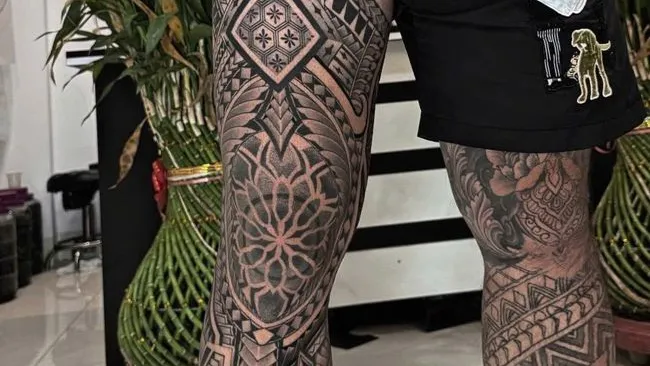
Short answer: in mainstream Islamic jurisprudence, getting a permanent tattoo is generally considered haram (forbidden); under mainstream Halacha, Jewish religious law similarly prohibits it, based on Leviticus 19:28 — both are genuine, actively-held religious positions, not outdated technicalities, worth knowing honestly if faith plays any role in your decision.
This is a genuinely common question for travelers from Muslim and Jewish backgrounds, and it deserves a straight, respectful answer rather than either dismissing the religious view or treating it as settled beyond any nuance. Both traditions have real internal debate worth understanding.
The Islamic position
The majority view among Sunni scholars is that permanent tattooing is haram, based on hadith describing the Prophet cursing both the person who tattoos and the person being tattooed. The core theological reasoning centers on tattoos being seen as a permanent alteration of the body as Allah created it. There is a minority position, discussed more within some Shia scholarship and some modern scholarly debate, that treats tattoos as not explicitly forbidden — but this isn’t the dominant view across Islamic jurisprudence as a whole. A commonly cited exception exists for genuine medical necessity, such as covering a defect or marking for treatment, which several schools of thought treat differently from decorative tattooing.
Worth knowing: henna is treated entirely differently and is widely considered permissible, since it’s temporary and doesn’t permanently alter the skin the way ink does. This is part of why henna has such a deep, continuous tradition in many Muslim-majority cultures specifically — it offers the decorative, ceremonial role a tattoo might otherwise serve, without the religious conflict.
The Jewish position
Under mainstream Halacha, getting a permanent tattoo is prohibited, rooted in Leviticus 19:28 (“You shall not make gashes in your flesh for the dead, or incise any marks on yourselves”) and the rabbinic tradition built on it. A few real nuances matter here: the prohibition applies specifically to getting a tattoo voluntarily, not to having one — a Jewish person with an existing tattoo remains fully Jewish and can participate fully in synagogue and community life, with no change in status. Some sources also note an exception for genuinely medical markings, distinct from decorative tattooing. There’s real historical debate among authorities about whether the ban’s basis is tied to idolatry, ancient mourning customs, or a broader standalone prohibition — but the practical conclusion across most Jewish legal authorities remains that tattooing itself isn’t permitted.
What this actually means for your decision
Neither of these positions is a legal restriction anywhere outside religious practice — nothing stops a Muslim or Jewish traveler from getting tattooed as a matter of civil law, in Vietnam or anywhere else. What matters is whether the religious dimension carries weight for you personally, and that’s a genuinely personal line to draw, not something anyone else can draw for you. If you’re drawn to a tattoo but the religious question gives you real pause, that’s worth sitting with honestly rather than rushing past — and if henna’s ceremonial role already covers what you’re looking for, it’s a real, culturally rooted alternative, not a consolation prize.
What to expect at GOAT Tattoo Studio
We’ll never pressure anyone into a decision that conflicts with something they genuinely care about — if you want to talk through placement, timing, or just think out loud before deciding, we’re glad to have that conversation at consultation rather than assume everyone walking in has already settled the question for themselves.
Related Guides
Ready to book your tattoo in Hanoi?
Send us your idea and preferred dates — we'll reply with a clear quote before you sit in the chair.
Book Now