 GOAT TATTOO
Can You Get a Tattoo on Accutane? How Long to Wait After Isotretinoin
Published October 17, 2026
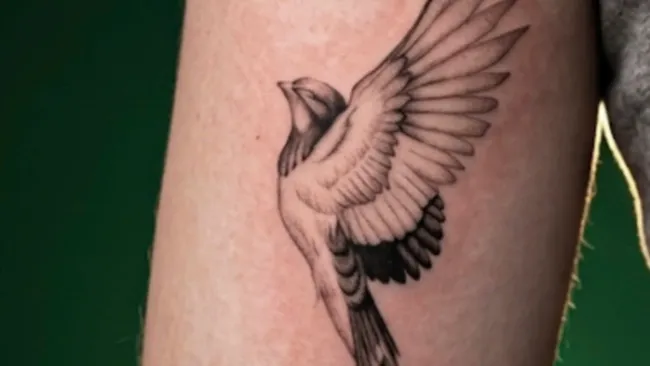
Short answer: Don’t get tattooed while you’re taking Accutane (isotretinoin). After your last dose, the usual guideline across the tattoo industry is to wait about 6–12 months. Isotretinoin makes skin thinner, drier and slower to heal, and those effects take time to fade. The evidence on exact timing is limited, so the best answer for you comes from the doctor who prescribed it.
What isotretinoin does to your skin
Isotretinoin works by shrinking the skin’s oil glands. That clears acne, but it also changes how your skin behaves:
- Thinner, more fragile skin. It can tear or bruise more easily under a needle.
- Very dry skin. Dry, flaky skin takes ink less evenly and is uncomfortable while a tattoo heals.
- Slower healing. Wounds can take longer to close, which raises the risk of patchy results and infection.
- Sun sensitivity. Skin burns more easily, which matters a lot on a trip to Vietnam.
There have long been concerns about abnormal scarring after skin procedures during or soon after treatment. That concern is the main reason tattoo artists ask you to wait.
What the evidence actually says
The 6–12 month rule comes from older dermatology advice for procedures such as dermabrasion and laser resurfacing. More recent dermatology reviews have suggested the evidence for long waits before some procedures is weaker than once believed. Those reviews looked at medical skin procedures, though, not tattoos, so they don’t give a tattoo-specific timeline.
In practice that means:
- While you’re on it: wait. There’s no good reason to risk it for a tattoo you can get later.
- Just finished: most artists will ask you to wait at least 6 months.
- 6–12 months after: most people are fine to go ahead once their skin feels normal again, which means no unusual dryness, peeling or fragility. Confirm with your doctor.
- Low-dose or long-term courses: ask your doctor, since the advice can differ.
Why this matters more on a Vietnam trip
Hanoi is hot and humid for much of the year, and a healing tattoo has to be kept out of the sun. If your skin is still sun-sensitive after isotretinoin, a tropical trip with a fresh tattoo is a hard combination. Our sun exposure guide and humidity guide explain why.
If you’re planning a tattoo trip around the end of a course, book the trip for after the waiting period rather than hoping your skin will be ready. Our guide to planning your tattoo before arriving in Hanoi helps with the timing.
Other acne treatments
- Topical retinoids (tretinoin, adapalene, retinol creams): stop using them on the area to be tattooed for a while beforehand and during healing, since they thin and irritate the skin. Ask your doctor or pharmacist how long.
- Oral antibiotics for acne (such as doxycycline): some make skin more sun-sensitive. See our antibiotics guide.
- Active acne or acne scars in the area: let breakouts settle first, and ask the artist about placement.
What to expect at GOAT Tattoo Studio
If you’ve taken isotretinoin in the past year, tell us when you book, including roughly when you stopped. Our artists can advise on design and placement, but they can’t give medical clearance, so check timing with your doctor before you travel.
Related Guides
- Tattoos and Medical Conditions: What to Know Before Booking
- Can You Get a Tattoo While on Antibiotics?
- Keloid-Prone Skin and Getting a New Tattoo
- New Tattoo in the Sun: When Can You Use Sunscreen? (Vietnam Trip Guide)
- Tattoos With Eczema, Psoriasis, or an Ink Allergy
- How to Plan Your Tattoo Before You Even Arrive in Hanoi
Ready to book your tattoo in Hanoi?
Send us your idea and preferred dates — we'll reply with a clear quote before you sit in the chair.
Book Now