 GOAT TATTOO
Fox Tattoo Meaning: Kitsune & Tricksters
Published September 2, 2026
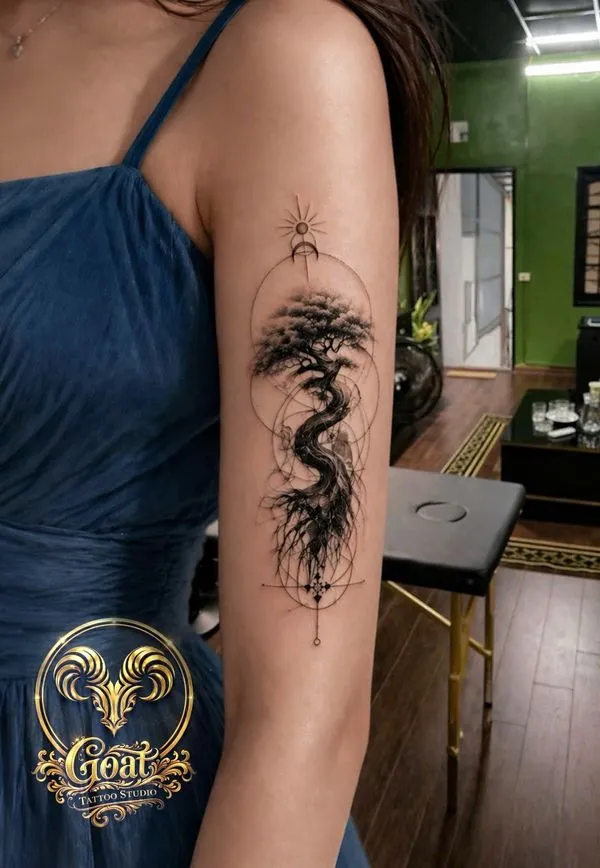
The fox is a genuinely popular symbol of cleverness, but the specific tradition behind that reputation varies more than the single “sly and clever” shorthand suggests — and a few of these traditions are worth knowing in their real, more specific form before you settle on one.
Japanese kitsune: not just “clever spirit”
Kitsune are closely tied to Inari, the Shinto deity of rice, agriculture, and prosperity — stone fox statues guard Inari shrines across Japan, most famously at Fushimi Inari in Kyoto. It’s worth knowing kitsune aren’t uniformly good or bad: zenko, celestial foxes associated with Inari, are broadly benevolent, while yako, wilder field foxes, are the ones tattoo-culture “trickster spirit” stories usually draw on, and folklore treats them as genuinely different. Kitsune are also said to grow additional tails as they age and gain power, reaching nine tails at around a thousand years old — a detail worth knowing if you want a design that references this tradition specifically rather than a generic “spirit fox.”
European folklore: a clever underdog, not a villain
Medieval European fox folklore, especially the Reynard the Fox cycle that spread across France, Germany, and the Low Countries from the 12th century onward, casts the fox as an outmatched trickster who survives and wins through wit rather than strength — usually against bigger, more powerful animals like the wolf. It’s worth being accurate that this is closer to “clever underdog” than “villain”: Reynard is morally mixed and often outright celebrated for outsmarting the powerful, which is a meaningfully different reading than the fox-as-cunning-threat shorthand some people assume.
North American traditions: real, but not one single story
Fox does appear as a trickster or a clever guide figure in the oral traditions of a number of nations, but it’s worth being precise that there isn’t one pan-Indigenous “fox meaning” — the specific role and symbolism genuinely differ by nation. If a particular tradition is what draws you to this design, it’s worth naming which one specifically rather than defaulting to a vague, unattributed version.
Modern secular meaning
If you want the cleverness-and-adaptability reading without tying it to one specific culture, that’s a legitimate and widely understood modern symbol on its own — quick thinking, resourcefulness, and adaptability, drawing on the fox’s real reputation as a highly adaptable animal that thrives close to human environments.
What actually matters when choosing
If the kitsune tradition is what you’re after, it’s worth deciding whether you want the benevolent zenko or the wilder yako reading, since they’re genuinely different characters in the folklore. If it’s the “clever underdog” story, Reynard is the specific reference worth naming. And if you’re drawn to a particular Indigenous tradition, naming that specific nation rather than a generic version keeps the design accurate to what actually inspired it.
What to expect at GOAT Tattoo Studio
We’re happy to talk through which tradition and meaning you’re actually going for at your consultation — our guide to animal tattoo meanings covers other commonly requested animals worth understanding beyond how they look.
Related Guides
Ready to book your tattoo in Hanoi?
Send us your idea and preferred dates — we'll reply with a clear quote before you sit in the chair.
Book Now