 GOAT TATTOO
Getting a Tattoo in Vietnam: Hanoi vs Saigon, Da Nang, Hoi An, Sapa and More
Published October 29, 2026
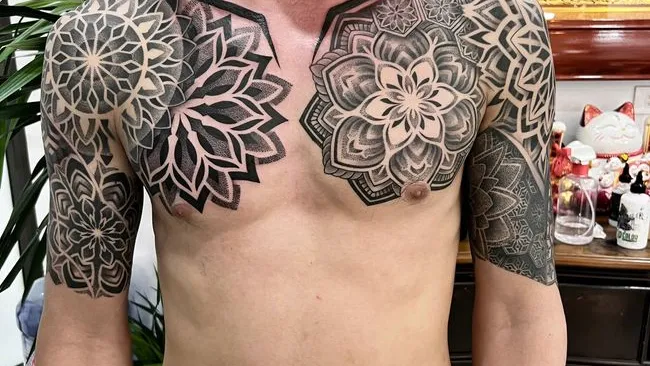
Short answer: you can get a good tattoo in Vietnam’s big cities, and the best choice depends more on your route than on the city. Hanoi and Ho Chi Minh City have the most studios, specialists and English-speaking consultation. Beach towns like Da Nang, Nha Trang and Phu Quoc are lovely places to be, but a fresh tattoo has to stay out of the sea and sun there. Smaller places such as Hoi An, Hue, Da Lat and Sapa have far fewer studios to choose from. For most travelers the easiest plan is to do the beaches and boat trips first and get tattooed in a big city near the end of the trip.
Comparing Vietnam with other countries instead? See Vietnam vs other countries and our separate Vietnam vs Thailand guide. For timing, read getting a tattoo on holiday.
Cities compared in this guide
- Hanoi or Ho Chi Minh City: Where to Get Tattooed?
- Hanoi or Da Nang: Where to Get Tattooed?
- Hanoi or Hoi An: Where to Get Tattooed?
- Hanoi or Hue: Where Should You Get Tattooed?
- Hanoi or Nha Trang: Where to Get Tattooed?
- Hanoi or Da Lat: Where Should You Get Tattooed?
- Hanoi or Phu Quoc: Where to Get Tattooed?
- Hanoi or Sapa: Where Should You Get Tattooed?
- Hanoi or Ha Long Bay: Where (and When) Should You Get Tattooed?
Hanoi or Ho Chi Minh City: Where to Get Tattooed?
If your Vietnam trip includes both Hanoi and Ho Chi Minh City, it’s a fair question: does it actually matter which city you get tattooed in? The honest answer is that the real differences are smaller than you’d think, and mostly come down to geography and trip logistics rather than quality or price.
What’s actually different
- How compact the tattoo scene is. Hanoi’s Old Quarter has a genuinely dense cluster of studios inside one small, walkable tourist area — streets like Hang Ma, Ta Hien, and Hang Buom all have options within a short walk of each other. Ho Chi Minh City’s scene is real and substantial too, but it’s more spread out, with studios across District 1 and neighborhoods like Thao Dien and Phu Nhuan rather than concentrated in one compact pocket.
- What that means practically: Hanoi is easier if you want to walk around, compare a few studios, and decide same-day. Ho Chi Minh City works well if you don’t mind traveling a bit between areas and want a larger overall scene to choose from.
What’s not actually different
- There’s no reliable evidence of a real price gap between the two cities. Pricing comes down to the individual studio and artist, not which city you’re in — treat any claim that one city is definitively cheaper with real skepticism.
- There’s no strong evidence either city “owns” a particular style. Both cities have studios working across Japanese, blackwork, realism, fine line, and everything else — style depends on the individual artist you book with, not the city.
- English-speaking artists are genuinely common in both cities, at least in the tourist-facing studios travelers are most likely to find. Neither city has a meaningful language-access advantage over the other.
Where each city fits your itinerary
This is really the deciding factor, more than anything about tattoo quality:
- Hanoi makes sense if your trip is built around northern Vietnam — it’s the natural gateway to Ha Long Bay and other northbound routes, so if that’s your route, getting tattooed during your Hanoi stop is simple to plan around. Our guide on timing your tattoo around your Vietnam itinerary covers how to sequence it with the rest of your trip.
- Ho Chi Minh City makes sense if your trip centers on southern Vietnam — it’s the typical gateway toward the Mekong Delta and southern routes, so scheduling around a Ho Chi Minh City stop fits more naturally if that’s where your trip is anchored.
The honest bottom line
The biggest real difference between getting tattooed in Hanoi versus Ho Chi Minh City is geography and how it fits your route — not a meaningful gap in price, quality, or style availability. If you’re deciding, it’s genuinely reasonable to just pick whichever city fits your itinerary better, and focus your actual research on the specific studio and artist rather than the city itself.
Hanoi or Da Nang: Where to Get Tattooed?
If your Vietnam trip includes both Hanoi and Da Nang, it’s a fair question — and unlike the Hanoi-versus-Ho-Chi-Minh-City comparison, this one actually has a couple of real, practical differences worth knowing, not just a coin flip.
What’s actually different
- How established and dense the tattoo scene is. Hanoi’s Old Quarter has a genuinely mature, compact cluster of studios you can walk between and compare in person within a small tourist area. Da Nang’s tattoo scene is real and has been growing quickly alongside the city’s broader tourism boom, but it’s honestly newer and smaller — fewer studios overall, and less concentrated in one easy-to-browse pocket. If you want to walk around, see a few portfolios in person, and decide same-day, that’s a genuinely easier task in Hanoi right now.
- Da Nang is a beach city — and that actually matters for healing. This is the biggest practical difference, and it’s not about quality, it’s about timing. A fresh tattoo needs roughly two weeks of limited sun and no swimming, and Da Nang’s biggest draws — My Khe Beach, Ba Na Hills day trips, boat trips out to the Marble Mountains coastline — are exactly the activities that are hardest to do with fresh, healing skin. Getting tattooed in Hanoi first and healing before you reach Da Nang’s beaches sidesteps this entirely.
What’s not actually different
- There’s no reliable evidence of a real price gap between the two cities. Pricing comes down to the individual studio and artist, the same as anywhere else in Vietnam — treat any claim that one city is definitively cheaper with real skepticism.
- Hygiene and safety come down to the individual studio, not the city. This applies just as much in a fast-growing scene like Da Nang’s as it does in an established one like Hanoi’s — the real question is whether this specific studio uses single-use needles and sterile equipment, not which city it’s in. Our studio hygiene checklist covers what to actually check before sitting down.
Where each city fits your itinerary
- Hanoi makes sense if your trip is anchored in the north — it’s the natural gateway to Ha Long Bay and northbound routes, and getting tattooed during your Hanoi stop is easy to plan around since it doesn’t compete with beach or boat plans.
- Da Nang makes sense if your trip is centered on central Vietnam — it’s the typical gateway to Hoi An’s ancient town, Hue’s imperial sites, and Ba Na Hills, and getting tattooed there fits naturally if that’s genuinely where your route is anchored and you’re not planning beach days right afterward.
The honest bottom line
If you want the widest, easiest-to-compare selection of studios to browse in person, Hanoi’s Old Quarter currently offers that in a way Da Nang doesn’t yet. But the bigger practical factor is timing around Da Nang’s beaches — our guide on timing your tattoo around your Vietnam itinerary covers exactly how to sequence Hanoi, Da Nang, and the rest of your route so healing doesn’t collide with your beach days.
Hanoi or Hoi An: Where to Get Tattooed?
Hoi An’s lantern-lit old town shows up on nearly every Vietnam itinerary, so it’s a fair question whether to get tattooed there instead of Hanoi. Unlike the Hanoi-versus-Da-Nang comparison, Hoi An brings its own specific quirks — some of them about the town itself, not just its tattoo scene.
What’s actually different
- Hoi An’s old town core is pedestrian and cyclo-only for large stretches of the day. The UNESCO-listed Ancient Town restricts motorized vehicles from its narrow streets during set hours, especially in the evening — charming for wandering, but it means any studio inside that core is reached on foot, and getting there with a numbed or freshly wrapped tattoo takes a bit more planning than hailing a Grab straight to the door, which is the norm in Hanoi.
- Hoi An has no airport of its own. Travelers fly into Da Nang and drive roughly 45 minutes south, so a Hoi An stop is almost always bundled with Da Nang on the itinerary rather than visited on its own — worth knowing when you’re deciding where in your route a tattoo actually fits.
- The tattoo scene is smaller and more tourist-facing. Hoi An draws a steady flow of backpackers and travelers getting a trip souvenir, and studios there lean into that market. Hanoi’s Old Quarter still has the denser, more established cluster of studios if you want to walk between a few and compare portfolios in person before deciding.
- Hoi An sits right next to the beach — and that affects healing. An Bang Beach and Cua Dai Beach are a short ride from the old town and a core part of why people visit. A fresh tattoo needs roughly two weeks of limited sun and no swimming, and beach days are exactly what a lot of Hoi An itineraries are built around. Getting tattooed in Hanoi first and healing before you reach Hoi An’s beaches sidesteps the conflict entirely.
What’s not actually different
- There’s no reliable evidence of a real price gap between the two towns. Pricing comes down to the individual studio and artist, the same as anywhere else in Vietnam — treat any claim that one destination is definitively cheaper with real skepticism.
- Hygiene and safety come down to the individual studio, not the town. A touristy scene doesn’t mean lower standards, and an established one doesn’t guarantee them either — the real question is whether this specific studio uses single-use needles and sterile equipment. Our studio hygiene checklist covers what to actually check before sitting down.
Where each fits your itinerary
- Hanoi makes sense if your trip is anchored in the north — it’s the natural gateway to Ha Long Bay and northbound routes, and getting tattooed during your Hanoi stop is easy to plan around since it doesn’t compete with beach or boat plans.
- Hoi An makes sense if central Vietnam is genuinely the anchor of your route and you’re not booking beach days right after — it pairs naturally with a Da Nang or Hue leg, and its old town is worth the visit regardless of where you get tattooed.
The honest bottom line
If you want the widest, easiest-to-compare selection of studios and a straightforward ride straight to the door, Hanoi’s Old Quarter offers that in a way Hoi An’s pedestrian core doesn’t. The bigger practical factor is still timing around Hoi An’s beaches — our guide on timing your tattoo around your Vietnam itinerary covers how to sequence Hanoi, central Vietnam, and the rest of your route so healing doesn’t collide with your beach days.
Hanoi or Hue: Where Should You Get Tattooed?
Hue shows up on most central Vietnam itineraries for its imperial history, so it’s a fair question whether to get tattooed there instead of Hanoi. Unlike the beach-town comparisons with Da Nang or Hoi An, Hue’s real differences come down to what kind of city it actually is, and when you’d be visiting.
What’s actually different
- Hue is a heritage city, not a browsable tattoo destination. Hue’s identity is built around the Imperial Citadel and the Nguyen Dynasty royal tombs along the Perfume River — a UNESCO World Heritage core that draws travelers for history, not nightlife or shopping streets. Its tattoo scene is real but genuinely small, with only a handful of studios rather than the dense, walkable cluster Hanoi’s Old Quarter offers for comparing portfolios in person.
- Hue doesn’t have a major airport of its own. Phu Bai, Hue’s small regional airport, carries far fewer routes than Hanoi’s Noi Bai International, so most travelers reach Hue overland from Da Nang (roughly 2-3 hours by car or train) rather than flying in directly. That makes a Hue stop something to plan around your Da Nang or Hoi An leg, not a standalone booking.
- Hue’s rainy season is longer and heavier than Hanoi’s, and it matters for timing. Hue’s wet season runs roughly September through January and peaks in October and November, with heavy multi-day downpours and real flood risk in those peak months — noticeably wetter than what Hanoi sees over the same stretch. If your route puts a Hue stop in that window, it’s worth checking the forecast before counting on comfortable healing conditions, since getting a fresh tattoo caught in a multi-day flood-season downpour is a genuinely worse experience than the same rain in a bigger city with more indoor options nearby.
What’s not actually different
- There’s no reliable evidence of a real price gap. Pricing comes down to the individual studio and artist, the same as anywhere else in Vietnam — treat any claim that one city is definitively cheaper with real skepticism.
- Hygiene and safety come down to the individual studio, not the city. A smaller scene doesn’t mean lower standards, and an established one doesn’t guarantee them either — the real question is whether this specific studio uses single-use needles and sterile equipment. Our studio hygiene checklist covers what to actually check before sitting down.
Where each city fits your itinerary
- Hanoi makes sense if your trip is anchored in the north — it’s the natural gateway to Ha Long Bay and northbound routes, and getting tattooed during your Hanoi stop is easy to plan around since it doesn’t compete with beach, boat, or flood-season timing.
- Hue makes sense if you’re already routing through central Vietnam for its history — it pairs naturally with a Da Nang or Hoi An leg, and the Citadel and royal tombs are worth the visit regardless of where you get tattooed. Just check the season before you plan on healing there.
The honest bottom line
If you want the widest, easiest-to-compare selection of studios and a straightforward ride to the door, Hanoi’s Old Quarter offers that in a way Hue’s small heritage-city scene doesn’t. The bigger practical factor is Hue’s long, sometimes flood-heavy rainy season — our guide on timing your tattoo around your Vietnam itinerary covers how to sequence Hanoi, central Vietnam, and the rest of your route so healing doesn’t collide with the wettest months.
Hanoi or Nha Trang: Where to Get Tattooed?
Nha Trang is one of Vietnam’s biggest beach destinations, popular with Russian, Korean, and domestic tourists alike, and a common add-on to a Hanoi-based itinerary. If a tattoo is on your list, it’s worth knowing how the two cities actually differ before you decide where to sit down.
What’s actually different
- Nha Trang’s tattoo scene is smaller and resort-oriented. Studios there mostly serve the beach-holiday crowd — quick flash pieces and small souvenir tattoos booked between pool days. Hanoi’s Old Quarter has a denser, more established cluster of studios, which matters if you want to compare portfolios and styles in person before committing to a larger or more custom piece.
- Nha Trang is built around water — and that’s the real conflict for a fresh tattoo. Swimming, diving, and snorkeling are the main reasons people visit, and a new tattoo needs roughly two weeks out of the water and away from direct sun before it’s safe for either. If diving is the point of your Nha Trang stop, our tattoo and diving guide covers exactly how long to wait. Getting tattooed in Hanoi earlier in your trip and healing before you reach Nha Trang’s beaches avoids the conflict entirely.
- Nha Trang has its own international airport (Cam Ranh), so unlike Hoi An it’s often visited as a standalone beach stop rather than bundled with a bigger city — worth factoring in if you’re deciding whether a tattoo fits better at the start or end of your route.
- Humidity and heat are more constant in Nha Trang. Hanoi has cooler months (roughly November through March) where healing is easier on the skin; Nha Trang’s coastal climate stays warm and humid year-round, which can mean more careful aftercare regardless of season.
What’s not actually different
- There’s no reliable evidence either city is cheaper. Pricing depends on the studio and artist, not the city — treat any blanket claim that one destination is a better deal with skepticism.
- Hygiene comes down to the individual studio, not the location. A beach-town shop isn’t automatically less careful, and a big-city one isn’t automatically safer — the only real question is whether that specific studio uses single-use needles and sterile setup. Our studio hygiene checklist covers what to check before booking anywhere.
Where each fits your itinerary
- Hanoi makes sense if your trip is anchored in the north or you want the widest selection of studios to compare before choosing — and it keeps a fresh tattoo’s healing window clear of any beach or dive plans later in your trip.
- Nha Trang makes sense for a quick, simple souvenir piece if you’re already spending your Vietnam time there and don’t mind planning around a swim-free healing period, or if you’re saving anything larger or more custom for Hanoi instead.
The honest bottom line
If diving, snorkeling, or beach days are why you’re going to Nha Trang, get tattooed in Hanoi first — two weeks of healing fits naturally into most itineraries that start in the north. Our guide on timing your tattoo around your Vietnam trip walks through how to sequence cities so healing never collides with the parts of the trip you’re most looking forward to.
Hanoi or Da Lat: Where Should You Get Tattooed?
Da Lat, the misty hill station up in Vietnam’s Central Highlands, has become a common add-on for travelers stitching together a longer route beyond the classic coastal cities — honeymooners, backpackers, and cafe-hoppers alike. If a tattoo is part of your plans, here’s how it genuinely compares to getting tattooed in Hanoi.
What’s actually different
- Da Lat’s climate is the one real reversal in our city comparisons. Sitting around 1,500 meters, Da Lat holds a mild, spring-like climate year-round — locals call it the “City of Eternal Spring” — noticeably cooler and drier than Hanoi’s heat and humidity for most of the year. Less sweating and less direct heat are, on paper, genuinely kinder to a fresh tattoo than most other stops on this list.
- But the real conflict isn’t the weather — it’s what people actually go there to do. Canyoning and waterfall trips (Datanla and Elephant Falls are the big draws) and long “Easy Rider” motorbike tours through dusty backroads and pine forest are exactly what fresh, healing skin needs to avoid: submersion, heavy scrubbing, road grit working into the skin, and hours of sun exposure in the saddle. If these are on your Da Lat itinerary, the actual timing math ends up closer to Nha Trang’s water problem or Sapa’s trekking problem than the mild climate alone suggests.
- Da Lat’s tattoo scene is small and mostly domestic-facing. It’s a major destination for Vietnamese honeymooners and weekend travelers rather than an established international tattoo-tourism stop, so studio density and the range of portfolios to compare in person don’t come close to Hanoi’s Old Quarter.
- Getting there usually means a connecting flight or a long overland leg. Da Lat’s Lien Khuong Airport mainly serves domestic routes, and plenty of travelers instead reach the city by a multi-hour bus or motorbike ride from Nha Trang or Mui Ne as part of a coastal-to-highlands loop — worth factoring in if a fresh tattoo needs to survive that leg too.
What’s not actually different
- There’s no reliable evidence of a real price gap. Pricing comes down to the individual studio and artist, the same as anywhere else in Vietnam — treat any blanket claim that one destination is cheaper with real skepticism.
- Hygiene comes down to the individual studio, not the town. A smaller, more local scene isn’t automatically less careful, and it isn’t automatically safer either — the only real question is whether that specific studio uses single-use needles and sterile equipment. Our studio hygiene checklist covers what to actually check before sitting down anywhere.
Where each fits your itinerary
- Hanoi makes sense if your trip is anchored in the north, or if you want the widest selection of studios to compare in person before deciding on something larger or more custom.
- Da Lat makes sense for a simple, small souvenir piece if you’re already spending real time there and don’t mind planning around a couple of canyoning- or motorbike-free weeks afterward — or if you’d rather save anything bigger for Hanoi and just enjoy the highland air while you’re up there.
The honest bottom line
If canyoning, waterfall trips, or long motorbike days through the countryside are on your Da Lat itinerary, get tattooed in Hanoi first and let it heal before you reach the highlands — the cooler climate genuinely helps, but it doesn’t cancel out sun, dust, and water exposure from a full day of canyoning. Our guide on timing your tattoo around your Vietnam trip covers how to sequence a route like this so healing never collides with the parts of the trip you’re most looking forward to.
Hanoi or Phu Quoc: Where to Get Tattooed?
Phu Quoc is Vietnam’s largest island and one of its fastest-growing resort destinations, often tacked onto the end of a trip that starts in Hanoi for a few final days of beach time before flying home. If a tattoo is on your list, it’s worth knowing how different the two places actually are before you decide where to sit down.
What’s actually different
- Phu Quoc’s tattoo scene is tiny and concentrated in one town. The island’s handful of studios cluster around Duong Dong, the main town, and mostly serve the resort crowd with quick flash pieces and small souvenir designs. Hanoi’s Old Quarter has a far denser, more established cluster of studios, which matters if you want to compare portfolios and styles in person before committing to a larger or more custom piece — on Phu Quoc, you may only have two or three shops to choose from.
- Phu Quoc is built around water — and that’s the real conflict for a fresh tattoo. Diving and snorkeling around the island’s reefs and the An Thoi archipelago are the main reasons people visit, and a new tattoo needs real healing time out of the water and away from direct sun before either is safe. Our tattoo and diving guide covers exactly how long to wait. Getting tattooed in Hanoi earlier in your trip and healing before you reach Phu Quoc’s beaches avoids the conflict entirely.
- Phu Quoc has its own international airport, so it’s almost always visited as a standalone island stop at the start or end of a trip rather than folded into a city-hopping itinerary — worth factoring in when you decide whether a tattoo fits better before or after your island days.
- Sun exposure is more constant and more intense on Phu Quoc. Beach and boat days mean hours of direct tropical sun, which is exactly what a healing tattoo needs to avoid. Hanoi’s Old Quarter gives you far more shade and indoor time by comparison, which makes the first stretch of healing easier to manage.
What’s not actually different
- There’s no reliable evidence either destination is cheaper. Pricing depends on the studio and artist, not the location — treat any blanket claim that an island destination is a better deal (or a tourist markup) with skepticism.
- Hygiene comes down to the individual studio, not the location. A small island shop isn’t automatically less careful, and a big-city one isn’t automatically safer — the only real question is whether that specific studio uses single-use needles and a sterile setup. Our studio hygiene checklist covers what to check before booking anywhere, and it matters more on Phu Quoc precisely because there are fewer studios to compare.
Where each fits your itinerary
- Hanoi makes sense if you want the widest selection of studios and artists to compare, or if your tattoo is any larger or more custom than a quick souvenir piece — and it keeps a fresh tattoo’s healing window clear of the beach and dive days waiting for you on the island.
- Phu Quoc makes sense only for a small, simple design if you’re already spending your final days there and don’t mind planning carefully around a swim-free healing period, or if you’re saving anything bigger for Hanoi instead.
The honest bottom line
If Phu Quoc is the beach-and-diving leg of your trip, get tattooed in Hanoi first — real healing time fits naturally into most itineraries that end on the island rather than start there. Our guide on timing your tattoo around your Vietnam trip walks through how to sequence cities and islands so healing never collides with the parts of the trip you’re most looking forward to.
Hanoi or Sapa: Where Should You Get Tattooed?
If Sapa is part of your northern Vietnam route, it’s worth asking honestly whether it’s a place to plan getting tattooed at all — and the real answer here is more one-sided than most of our city comparisons.
What’s actually different
- Sapa genuinely isn’t set up as a tattoo destination. Sapa’s tourism scene is built around trekking, rice terraces, and homestays in ethnic minority villages — not a browsable cluster of tattoo studios the way Hanoi’s Old Quarter is. There are a handful of shops, but nothing close to the density or portfolio variety you can compare in person within a few blocks of Hanoi.
- Sapa’s trekking is exactly the wrong activity for fresh, healing skin. A new tattoo needs roughly two weeks of minimal sweat, no scrubbing dirt out of it, and limited sun — and multi-day treks up toward Fansipan or through the rice terraces involve all three at once, often at altitude and in changeable, misty mountain weather. Getting tattooed in Sapa right before a trek, or trekking right after getting tattooed in Hanoi, is a genuinely bad sequence for healing.
- The elevation and climate are a real, separate factor. Sapa sits around 1,500 meters and is noticeably cooler and mistier than Hanoi’s lowland heat — not dangerous for a healing tattoo on its own, but combined with trekking sweat and dirt trails, it adds friction that a lowland city stop doesn’t.
What’s not actually different
- There’s no reliable evidence of a real price gap. What pricing exists in Sapa comes down to the individual shop, same as anywhere in Vietnam — this isn’t a place with an established enough scene to generalize about.
- Hygiene comes down to the individual studio, not the town. If you do consider a shop in Sapa, the same standard applies regardless of location — our studio hygiene checklist covers what to actually check before sitting down.
The honest bottom line
Sapa is a genuinely excellent trekking destination and a genuinely weak choice for getting tattooed — not because anything is wrong with it, but because it simply isn’t built around tattoo tourism the way Hanoi is. The straightforward sequencing is to get tattooed in Hanoi, either before heading up to Sapa or after you’re back, so healing skin never has to deal with a multi-day trek in between.
Hanoi or Ha Long Bay: Where (and When) Should You Get Tattooed?
Ha Long Bay is probably the single most common side trip out of Hanoi — most itineraries build in a one- to three-night boat cruise through the limestone karsts, often booked as a fixed package before you even land in Vietnam. If a tattoo is also on your list, the timing question here is more one-sided than most of our city comparisons, and worth understanding before you book either one.
What’s actually different
- Ha Long Bay isn’t a tattoo destination at all. There’s no real studio scene in Ha Long City or on Cat Ba Island the way there is in Hanoi’s Old Quarter — a handful of shops exist, but nothing close to the density or portfolio range you can compare in person within a few blocks here. This isn’t a “which location is better” question the way Da Nang or Nha Trang are; it’s closer to Sapa’s situation, where the honest answer is that one side of the comparison simply isn’t set up for it.
- The cruise itinerary is usually fixed, not flexible. Most Ha Long Bay trips are pre-paid, multi-day packages with a set schedule — kayaking, a swimming stop, cave visits, sometimes squid fishing after dark. Unlike a city stay where you can quietly skip a beach day if your tattoo needs to stay dry, these are group activities on a small boat, and opting out of all of them for two or three days straight is a much bigger ask of your trip than skipping one afternoon.
- Saltwater and sun exposure stack up over consecutive days. A fresh tattoo needs to stay out of the water and out of direct sun during its first couple of weeks — our diving and snorkeling guide and sun exposure guide cover why. On a boat, that’s not a single beach afternoon you can plan around; it’s multiple full days on an open deck with no real indoor, shaded alternative.
- Cabins aren’t set up for wound care. A new tattoo needs to be kept clean and re-covered with fresh, breathable dressing for the first few days — straightforward in a hotel room with a private bathroom, considerably harder in a small, humid boat cabin shared with limited fresh water and no laundry access for soiled dressings.
What’s not actually different
- This isn’t really a hygiene or pricing comparison. Because Ha Long Bay doesn’t have an established tattoo scene to weigh against Hanoi’s, there’s no meaningful “which is safer” or “which is cheaper” question here the way there is between two real city studio scenes — the honest comparison is entirely about timing and logistics, not studio quality.
The honest bottom line
If Ha Long Bay is part of your route, get tattooed in Hanoi first and build in real healing time before you board the boat — or wait until after the cruise if your schedule allows it. Either sequencing avoids putting fresh, open skin through several days of saltwater, sun, and a cabin that isn’t set up for proper aftercare. Our guide on timing your tattoo around your Vietnam trip walks through how to sequence a Ha Long Bay cruise alongside the rest of your itinerary.
At GOAT Tattoo Studio
We are in Hanoi, on the 2nd floor of 56 Tràng Thi near Hoan Kiem Lake, open every day from 10:00 to 21:00. Tell us your full route when you book, and we will suggest the best day for your session, confirm the price after a free consultation and give you written aftercare instructions in English for the rest of your trip.
Related Guides
- Getting a Tattoo on Holiday: When to Book It on Your Vietnam Trip
- Swimming After a Tattoo: How Long to Wait for the Pool and the Sea
- Tattoo Prices in Hanoi 2026: From $36, $77/Hour, Sleeves From $1,100
- How to Check a Tattoo Studio's Hygiene in Hanoi
- Vietnam or Thailand: Where Should You Get Tattooed?
- Getting Tattooed in Vietnam vs Other Countries: Japan, Korea, Bali, Singapore and More
- How to Plan Your Tattoo Before You Even Arrive in Hanoi
Ready to book your tattoo in Hanoi?
Send us your idea and preferred dates — we'll reply with a clear quote before you sit in the chair.
Book Now