 GOAT TATTOO
It's Okay to Ask Your Artist to Change the Design
Published September 21, 2026
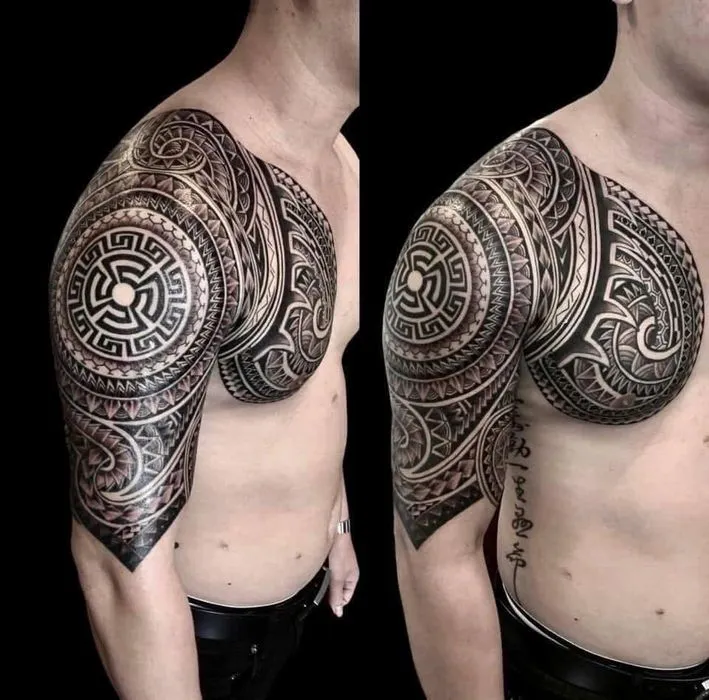
Your artist sends over the design, and something about it isn’t quite right — maybe it’s bigger than you pictured, maybe an element feels off, maybe it just doesn’t hit the way you hoped. And then the real problem starts: you sit there not saying anything, because pointing it out feels rude. They clearly put real work into it. What if they get offended? What if they think you’re being difficult? So a lot of people just… get tattooed with something they’re not fully happy with. This is genuinely one of the most common regrets people describe after the fact, and it’s almost always preventable with one slightly uncomfortable conversation beforehand.
Why it feels awkward
This isn’t irrational — it comes from real, understandable instincts. A design clearly took time and skill to produce, and criticizing something someone made for you can feel like criticizing them personally. There’s also a natural worry about seeming ungrateful, or about damaging the relationship right before you’re about to trust this person with a needle for the next few hours. For travelers and international clients especially, cultural norms around politeness and not wanting to seem demanding can make this even harder to push past.
Why it’s actually completely normal to ask
A first design is a starting point, not a final exam answer — every experienced artist treats it that way, because that’s how the process is genuinely meant to work. Revision requests aren’t a complaint about the artist’s skill; they’re the design process doing its job. The math is also lopsided: speaking up costs you one slightly awkward minute of conversation. Staying quiet costs you a piece of skin you’ll see every day for the rest of your life. A good artist has heard “can we adjust this” more times than either of you can count, and it doesn’t read as an insult — it reads as a client who’s paying attention, which is exactly what makes a piece turn out well.
How to actually phrase it
Specific, concrete feedback is far easier for an artist to act on than a vague feeling of unease:
- Lead with what you do like, then name the specific thing you don’t. “I really like the composition, but the wing feels too wide for the space” gives your artist something to work with. “I don’t love it” doesn’t.
- Point to a reference, not just words, whenever you can. If a proportion or style detail feels off, a photo showing what you mean removes a lot of the guesswork.
- Separate “this one element” from “the whole concept.” Most revision requests are small and targeted — knowing which one you’re asking for helps your artist judge how much re-work is actually involved.
- Ask questions instead of issuing verdicts if you’re unsure why something reads a certain way — “why did you place it this way?” often reveals a reason you hadn’t considered, and it keeps the conversation collaborative instead of one-sided.
What’s a small revision vs. a bigger one
Most requests are smaller than people fear: resizing, shifting placement slightly, swapping a color, adjusting a single element’s shape or weight, tightening spacing. These are routine and usually quick to fix. A genuinely bigger ask — a different subject entirely, a full style change, a completely different composition — is still worth raising, but be upfront that it’s a bigger change; your artist may need more design time, and depending on timing, that can mean adjusting your appointment. Being honest with yourself about which category your request falls into makes the conversation easier for both of you.
When to actually speak up
Earlier is always easier. At the consultation or design-review stage, changes cost nothing but conversation. Once the stencil is placed on your skin, smaller shifts — placement, size, minor proportions — are still realistically fixable, which is exactly why checking the stencil carefully before anything starts matters so much. Once the needle is moving, content changes are no longer possible — at that point you’re only flagging technical concerns, not redesigning. If you leave a session having said nothing about a design you had doubts about, that unspoken hesitation is one of the most common threads running through tattoo regret after the fact.
What to expect at GOAT Tattoo Studio
We’d genuinely rather adjust a design twice before your appointment than have you leave unsure about something you didn’t mention. Our consultation process is built around back-and-forth on purpose — bring reference images, say what’s not landing, and ask us to explain our reasoning if something doesn’t make sense yet. A design that goes through a round of honest feedback almost always turns out better than one nobody questioned.
Related Guides
Ready to book your tattoo in Hanoi?
Send us your idea and preferred dates — we'll reply with a clear quote before you sit in the chair.
Book Now