 GOAT TATTOO
Single Needle Tattoos: What the Technique Actually Means
Published September 25, 2026
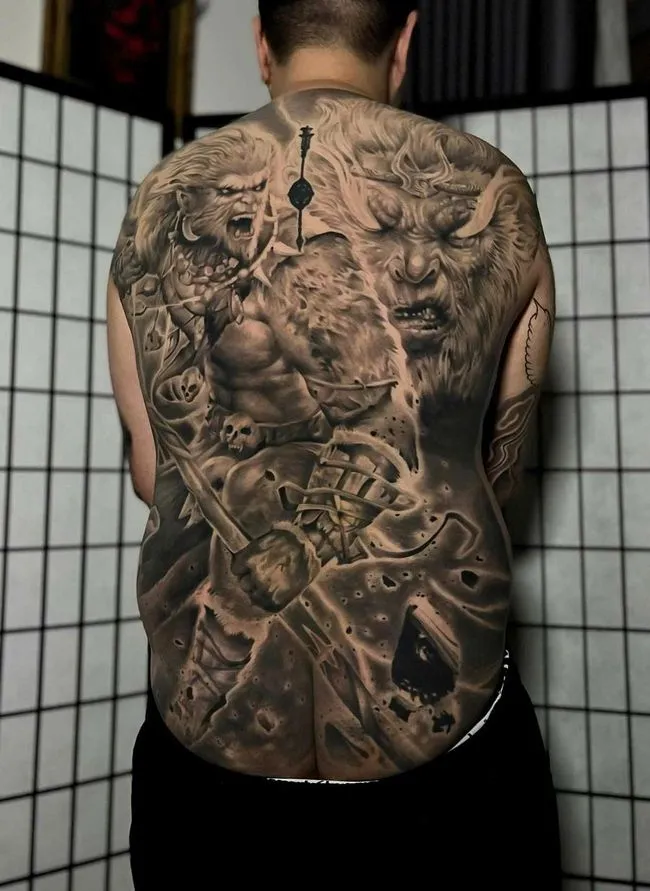
“Single needle” gets used online almost interchangeably with “fine line,” but they’re not quite the same thing. Fine line is a style — the overall look of a tattoo built from thin, delicate strokes. Single needle is the technique that makes the finest version of that look possible: a tattoo machine configuration using just one needle point instead of a grouped cluster, depositing a much narrower, more precise line of ink than standard linework setups.
What’s actually different about the technique
Most tattoo linework is done with a small cluster of needles grouped together — enough to lay down a clean, solid line efficiently in a single pass. A single needle setup uses exactly one point, which means a genuinely thinner line is physically possible, along with finer control over very small, delicate details: individual hairs, tiny lettering, subtle shading gradations that a grouped needle would blur together. It’s part of why single needle work is closely associated with delicate botanical linework, fine portraiture details, and minimalist single-line designs — the technique is what unlocks that level of precision.
The real tradeoff: skill required and longevity
That precision comes with two genuine tradeoffs worth understanding before you book. First, single needle work demands real technical skill and a steady, controlled hand — a single needle has to travel more passes to achieve the same ink saturation a grouped needle achieves in fewer, and an inexperienced artist working this way is more likely to produce a thin, weak line prone to blowout rather than a crisp one. This is exactly the kind of technical mismatch behind why some tattoos blow out — going too thin, too fast, without the control to back it up.
Second — and this is the tradeoff people ask about far less than they should — an extremely fine single needle line genuinely doesn’t hold up as long as a standard-width line. Skin cells turn over, ink migrates slightly under the surface over years, and a very thin line simply has less margin before it starts to soften, blur, or thin out further than a bolder line would. This isn’t a flaw in the technique so much as physics: the same aging process covered in how tattoos actually fade over time affects every line, but a line that started out extremely fine has less to give before it reads as faded.
What to actually ask about before booking
The most useful question isn’t “do you do single needle” — most contemporary artists have the equipment. It’s whether the artist has a strong, specific portfolio of healed single needle work, not just fresh photos, since fresh fine line looks crisp on literally anyone’s skin and tells you very little about how it settles. Ask directly about placement too: single needle detail generally holds up better on flatter, lower-friction areas than on high-movement or high-friction spots like hands or feet, where any fine line — single needle or not — fades faster. And if you’re specifically drawn to the ultra-delicate look, it’s worth being upfront that you understand it may need a touch-up sooner than bolder work would, rather than being surprised by that a couple of years in.
Related Guides
Ready to book your tattoo in Hanoi?
Send us your idea and preferred dates — we'll reply with a clear quote before you sit in the chair.
Book Now