 GOAT TATTOO
What If You Can't Finish a Large Tattoo Project?
Published August 21, 2026
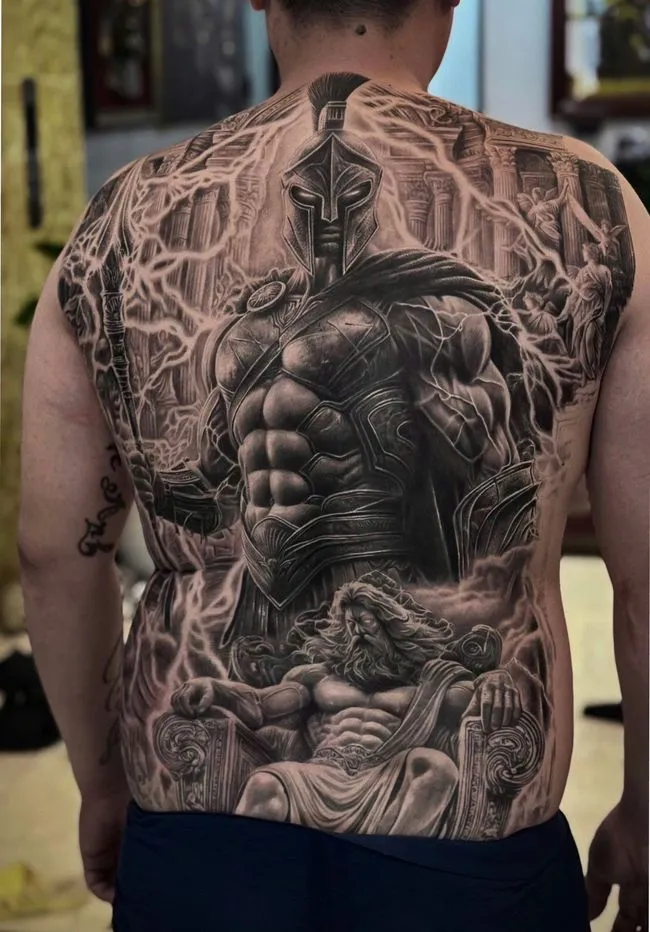
Life happens — money gets tight, you move, priorities shift, or motivation just fades partway through a project that was always going to take months. This is a genuinely common situation, not a rare one, and it’s worth knowing the honest options before it happens, not scrambling to figure it out mid-project.
Pausing for a long time is more normal than people expect
Large sleeves and back pieces are typically built over multiple sessions spread across months in the first place, so a pause of several months — or even years — isn’t as unusual as it might feel from the inside. The real risk isn’t the pause itself; it’s how well the existing work was planned to hold up during the gap.
What actually happens if you resume later
- Expect a consultation before continuing, even with your original artist. They’ll want to look at how the healed work has aged, check how the skin has changed, and figure out what can be continued directly versus what needs some adjustment first.
- A refresh of existing linework is sometimes needed, especially after a long gap — this isn’t a sign anything went wrong, it’s a normal part of picking a project back up after real time has passed.
Switching to a different artist is realistic, with the right approach
- This is genuinely doable, but it works best when the new artist’s style is compatible with the existing work and they’re willing to properly assess it before diving in, rather than just continuing on autopilot.
- Bring your original reference material if you have it, and expect an honest conversation about whether the remaining plan needs to change to fit the new artist’s approach — a good artist won’t pretend they can perfectly replicate someone else’s exact hand.
- The new artist may need to redesign the unfinished portion so it matches the existing line weight, flow, and negative space, rather than forcing a mismatched continuation that looks visibly stitched together.
How to design a large piece so it still looks right if it stops early
This is the part worth thinking about before you even start, precisely because you can’t fully predict the future:
- Ask for a design built in clear “chapters” — where each completed session reads as a finished section on its own, rather than leaving a floating, obviously half-finished image.
- Build outward from a strong central motif, adding connective background and transitional elements early rather than saving all the unifying work for the final sessions.
- Settle the boundaries, palette, and overall theme upfront, even if fine details stay flexible — this gives even an interrupted project a coherent visual language instead of looking randomly incomplete.
A large piece planned this way looks intentional at almost any stage, not just at the very end — which takes real pressure off needing to finish everything in one continuous run.
The honest bottom line
An unfinished large tattoo isn’t a failure, and it’s genuinely common enough that thoughtful planning for exactly this possibility is standard practice, not overly cautious. Whether you eventually finish it, finish it years later, or finish it with someone else entirely, a piece designed with this in mind holds up at every stage.
What to expect at GOAT Tattoo Studio
If your circumstances change partway through a large project, talk to us — we’d rather adjust the plan honestly than have you feel stuck. And if you’re just starting a large piece, whether it’s your first tattoo or built around ink you already have, we’ll design it with this kind of flexibility in mind from the very first session.
Related Guides
Ready to book your tattoo in Hanoi?
Send us your idea and preferred dates — we'll reply with a clear quote before you sit in the chair.
Book Now