 GOAT TATTOO
American Traditional Tattoos: What to Actually Look For
Published August 30, 2026
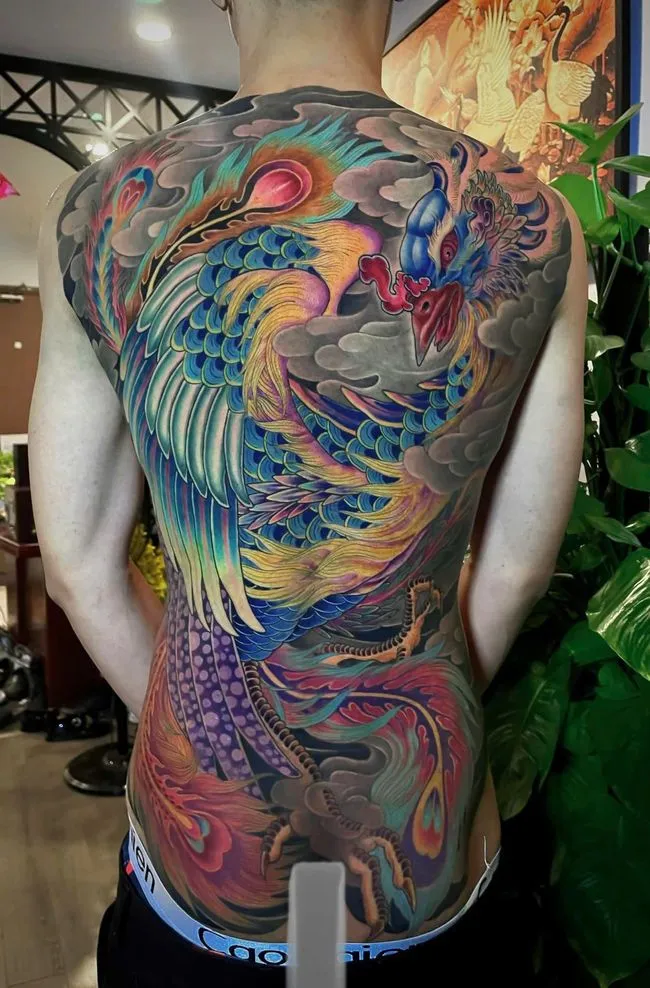
American traditional is the style most other Western tattooing eventually grew out of — thick black outlines, a limited and highly saturated color palette, minimal shading, and a specific catalog of iconic subject matter (swallows, roses, daggers, anchors, pin-ups, panthers) that goes back to early 20th-century sailor and military tattooing. Our neo-traditional guide covers the more illustrative style that grew out of this one — this post is about the original, and what actually separates a well-executed traditional piece from a weak one.
What actually defines the style
The single most important technical marker is uniform, bold line weight with no gaps — traditional tattooing was built for longevity on skin that would fade, blur, and spread over decades, so the linework is deliberately thick and consistent rather than delicate or varied, since thin lines are the first thing to disappear as a tattoo ages. The second marker is flat, saturated color blocked in solid fields rather than gradients or highlights — traditional shading is typically limited to black, with color used as bold flat fills bordered by that same heavy black line. A piece that tries to add photorealistic shading or thin, varied linework onto traditional subject matter isn’t really traditional anymore — it’s drifted into neo-traditional or another hybrid style, which isn’t a problem, but it’s worth knowing which one you’re actually asking for.
Why the style is built to last
This isn’t an aesthetic choice made in isolation — the bold outline and flat color exist specifically because they age well. Thin lines and subtle color gradients are the first details a tattoo loses as ink spreads under the skin over years; a heavy black outline holding a flat color field stays legible decades longer than the same image done with fine detail. If long-term durability matters more to you than maximum illustrative detail, that’s a real, practical reason to lean traditional rather than a more delicate style.
What to check before booking
- Ask to see healed traditional work specifically, not just fresh photos. Because the whole point of the style is how it holds up, a portfolio of only glossy fresh shots doesn’t show you what actually matters — request examples that are several years old.
- Look at line consistency across the whole piece. Traditional work lives or dies on the outline; wavering thickness or gaps in an artist’s linework are a bigger red flag here than in more illustrative styles where variation is intentional.
- Confirm the color palette is genuinely flat, not shaded. A muddy or gradient-heavy fill within a “traditional” piece is usually a sign the artist is blending styles rather than executing the classic look precisely.
What to expect at GOAT Tattoo Studio
Browse our blackwork gallery and color & Japanese-style gallery for examples of the bold outline and saturated color work that carries directly into strong traditional pieces — we’re happy to talk through which subject matter and palette choices hold up best long-term at your consultation.
Related Guides
Ready to book your tattoo in Hanoi?
Send us your idea and preferred dates — we'll reply with a clear quote before you sit in the chair.
Book Now