 GOAT TATTOO
Dragon Tattoo Meaning: East vs. West
Published August 31, 2026
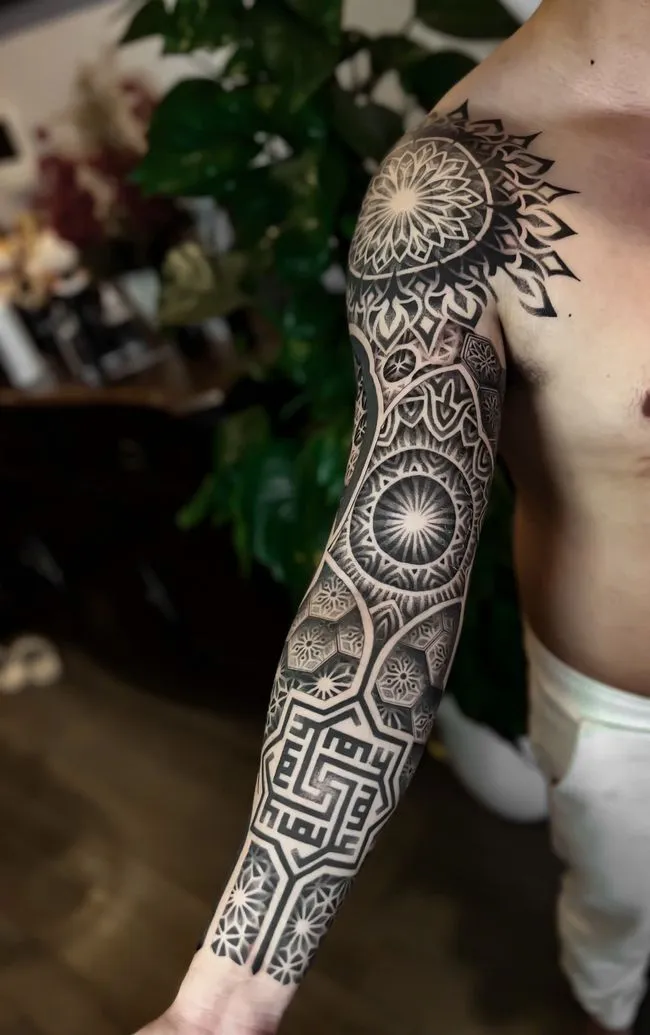
The dragon is one of the most requested tattoo subjects worldwide, but its meaning genuinely depends on which tradition you’re drawing from — Eastern and Western dragons aren’t just stylistically different, they represent close to opposite ideas.
Chinese dragons: auspicious power, not menace
In Chinese tradition, the dragon (long) is overwhelmingly a symbol of auspicious power — imperial authority, good fortune, and control over water and rain, generally read as benevolent rather than threatening. This is a genuinely different emotional register than the Western dragon most people picture by default, and it’s worth knowing this distinction exists before choosing a design, since the visual style and the intended meaning are closely linked in Chinese dragon imagery specifically.
Japanese dragons: closely related, but distinctly water-and-protection beings
Japanese dragons share roots with Chinese dragon tradition but are typically treated as more explicitly tied to water and protection, often connected in art and lore to Buddhist or protective figures rather than purely imperial symbolism. Our guide to Japanese tattoo motifs covers this specific tradition in more depth, including how Japanese dragon imagery is typically composed within the style.
Western dragons: chaos, greed, and a beast to be defeated
European dragon tradition is framed very differently — commonly representing chaos, greed, destruction, or a beast meant to be slain, though sometimes appearing as a guardian of treasure rather than a purely evil force. This contrast is real and worth understanding honestly: East Asian dragons are generally protective or auspicious, while medieval European dragons are usually adversarial. Choosing a Western-style dragon design and a Chinese or Japanese-style dragon design isn’t just a stylistic choice — it’s genuinely drawing on two different symbolic traditions.
Does claw count actually mean anything?
You may have heard that dragon claw count is meaningful — three claws for a commoner, four for nobility, five for the emperor. This has real historical roots: Chinese imperial courts, especially during the Yuan, Ming, and Qing dynasties, did use claw count as a status marker in certain contexts, with five-clawed dragons specifically associated with the emperor. That said, the simplified chart repeated in tattoo culture is an oversimplification — the actual rules varied over time and by the type of object being decorated, so it’s a real historical convention worth knowing about rather than a strict universal law to follow when choosing a design.
Other dragon traditions worth knowing
- The Welsh dragon, featured on the Welsh flag, functions as a national symbol tied to identity and sovereignty rather than the “dragon as evil” framing common elsewhere.
- Norse and Slavic dragons are typically serpent-like figures linked to hoarded treasure, corruption, or chaos — closer in tone to Western European dragon symbolism than to the generally benevolent East Asian tradition.
What actually matters when choosing
If you’re drawn to the power-and-protection reading, a Chinese or Japanese-style dragon communicates that more directly than a Western-style design. If you want the chaos-and-danger reading, or a treasure-guardian framing, a Western-style dragon fits that better. Neither is more “correct” than the other — they’re genuinely different traditions, and it’s worth choosing the style that actually matches the meaning you intend rather than picking whichever look appeals most and assuming the meaning follows automatically.
What to expect at GOAT Tattoo Studio
We’re happy to talk through which dragon tradition and style fits what you’re going for at your consultation — our Color & Japanese-style guide covers what makes Japanese-style dragon work technically well-executed.
Related Guides
Ready to book your tattoo in Hanoi?
Send us your idea and preferred dates — we'll reply with a clear quote before you sit in the chair.
Book Now