 GOAT TATTOO
Tattoo Price by Placement in Hanoi: Neck, Arm, Hand, Back, Leg and Foot
Published October 29, 2026
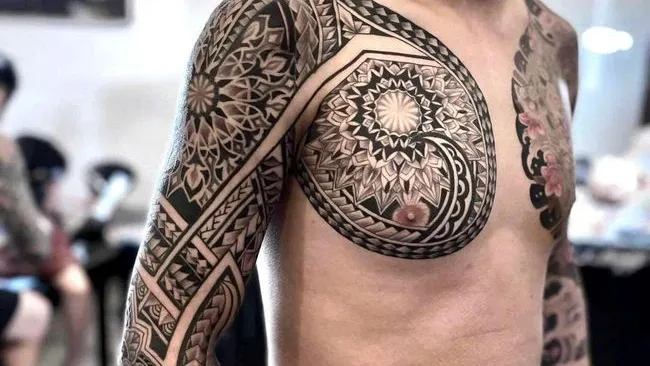
Short answer: at GOAT Tattoo Studio the price depends on time, not on the body part. Mini tattoos under 30 minutes start at $36, and everything longer is $77 per hour. Placement changes how long the work takes: fingers, hands, feet, the neck, the spine and the stomach need slower, more careful work than a forearm or calf of the same size, so they can cost a little more. Below you will find each placement with its typical cost, pain level and what to think about before you book.
Separate guides cover the collarbone, ribs and side, behind the ear and the thigh. For all rates in one place, see our Hanoi tattoo price guide, and for pain only, the pain by placement comparison.
Placements in this guide
- Neck Tattoo Price Guide — Hanoi
- Shoulder Tattoo Price & Pain Guide — Hanoi
- Armpit Tattoo Price & Pain Guide — Hanoi
- Bicep & Upper Arm Tattoo Price Guide — Hanoi
- Forearm Tattoo Price & Pain Guide — Hanoi
- Knee & Elbow Tattoo Price & Pain Guide — Hanoi
- Wrist Tattoo Price & Pain Guide — Hanoi
- Hand Tattoo Price & Pain Guide
- Finger Tattoo Price in Hanoi
- Sternum & Chest Tattoo Price and Pain Guide
- Stomach Tattoo Price & Pain Guide — Hanoi
- Spine Tattoo Price & Pain Guide — Hanoi
- Lower Back Tattoo Price & Pain Guide — Hanoi
- Hip Tattoo Price & Pain Guide — Hanoi
- Buttock Tattoo Price & Pain Guide — Hanoi
- Calf Tattoo Price & Pain Guide — Hanoi
- Foot & Ankle Tattoo Price and Aftercare Guide
Neck Tattoo Price Guide — Hanoi
Neck tattoos cover a lot of ground — a small symbol tucked behind the ear, a nape-of-the-neck design hidden under your hair, a bold piece running up the side that’s visible in any outfit. Because “neck tattoo” actually means several very different placements with different pain levels and visibility, it’s worth being specific before you get a quote. Here’s the breakdown.
How much does a neck tattoo cost?
Most neck tattoos are compact — a symbol, initials, a short phrase — and land in our mini-rate range, from $36 for anything under 30 minutes. Larger neck pieces, or designs that connect into a shoulder or chest piece, are billed at the standard $77/hour rate once they run longer than that.
What changes the price for this placement specifically:
- Exact location — the nape, the side of the neck, and the front of the throat are all technically “neck” but require very different care and speed to work on safely and cleanly.
- Proximity to hairline and jaw — designs near the hairline or jawline take more careful stencil work to keep clean edges.
- Size and whether it connects to another piece — a standalone small design is quoted differently than a neck piece that’s really an extension of a shoulder or chest tattoo.
Pain varies more here than almost any other placement
Unlike most body areas, “how much does a neck tattoo hurt” doesn’t have one answer — it depends heavily on exactly where:
- Nape of the neck (back, where your hairline starts) — moderate pain, generally more tolerable than people expect, since there’s some cushioning from surrounding muscle.
- Side of the neck — sharper, closer to bone and cartilage in places, and closer to areas with dense nerve endings.
- Front of the throat — the most sensitive of the three, and also the placement that takes the most care and precision from the artist given the anatomy involved.
If pain tolerance is a concern, a nape design is usually the most comfortable starting point for a first neck tattoo.
Worth thinking through before you book
A neck tattoo is one of the few placements where visibility itself deserves real thought before the design stage, not after:
- How visible do you want it day-to-day? Nape designs are easy to cover with hair down; side and front placements are visible in nearly any hairstyle or outfit.
- Healing is more exposed here than most placements — collars, scarves, and necklaces can all rub against fresh ink, so it’s worth choosing loose, open-neck clothing over anything tight or high-collared for the first couple of weeks. See our tattoo aftercare guide for the full healing timeline.
- Sun exposure — an uncovered neck gets significant sun in daily life, so once healed, sunscreen matters more here than on a placement you’d naturally keep covered.
- Planning another visible placement on this trip? Neck tattoos are frequently paired with other statement placements like the collarbone or hand — see our collarbone price guide and hand price guide if you’re considering either one during the same visit.
Shoulder Tattoo Price & Pain Guide — Hanoi
The shoulder is one of the most requested placements we see — flexible enough for a small first tattoo, and roomy enough to grow into a cap or half-sleeve later. It’s also one of the more forgiving placements to sit through, which makes it a common recommendation for anyone nervous about their first session. Here’s what actually drives the price and what the experience is really like.
How much does a shoulder tattoo cost?
A small symbol or short piece of script on the shoulder — nothing wrapping around the curve of the deltoid — typically falls under our 30-minute mini rate, from $36. Anything larger, more detailed, or covering more of the shoulder’s surface moves to our standard $77/hour rate.
What actually changes the quote:
- Coverage area — a small design sitting flat on the outer shoulder takes far less time than a “shoulder cap” that wraps over the top and down toward the arm or chest.
- Curved surface work — the shoulder isn’t flat, so designs that follow its curve (rather than sitting on one small flat section) take more careful planning and time to keep proportions looking right from every angle.
- Whether it connects to other work — a shoulder piece designed to flow into an existing sleeve or chest piece needs to be planned around what’s already there, which adds consultation and sometimes session time.
Why the shoulder is one of the more comfortable placements
The deltoid is well padded with muscle, and the skin here isn’t stretched tight over bone the way it is on the collarbone or sternum. Most people rate shoulder tattoos around 3–5 out of 10 for pain — genuinely one of the more tolerable spots on the body, which is part of why it’s such a common choice for a first tattoo. The one place that gets noticeably more sensitive is right at the edge, where the shoulder meets the collarbone or armpit — designs that stay on the meatier, central part of the deltoid stay comfortable for longer sessions.
Healing a shoulder tattoo
- Movement is generally fine, but watch tight straps. Backpack straps, bra straps, and tight t-shirt sleeves all cross directly over this area — loose, breathable tops for the first couple of weeks reduce friction on healing skin.
- Sun exposure adds up fast in Vietnam’s climate. The shoulder is one of the first places to get uncovered in warm weather, and this is also one of the more common placements travelers want to keep exposed while continuing their trip — our guide to healing while visiting Vietnam’s climate covers how to manage sun and sweat without slowing down your healing.
- Larger pieces need more careful care over a longer stretch, since a shoulder cap or half-sleeve heals gradually across a bigger surface area rather than all at once.
Armpit Tattoo Price & Pain Guide — Hanoi
The armpit is a genuinely uncommon placement request, and there’s a real reason it’s not one you see often — it’s demanding in ways that go beyond most other spots on the body. If you’re set on it anyway, here’s what actually drives the price and what to know honestly before booking.
How much does an armpit tattoo cost?
A small design in this area falls under our 30-minute mini rate, from $36, though this placement is almost always used for smaller, simpler pieces given the limited flat surface and the genuine difficulty of working here. Anything larger moves to our standard $77/hour rate, but larger armpit pieces are genuinely uncommon for practical reasons covered below.
What actually changes the quote:
- The limited, uneven working surface — the underarm has less flat, stable skin than almost anywhere else we tattoo, so the artist has to work more slowly and adjust constantly for arm position, which adds real time even to a small design.
- Hair and skin texture in the area, which requires more careful preparation than smoother placements.
Why this placement is genuinely demanding
The skin here is thin, and the area is dense with nerve endings and lymph nodes, which most people find makes this one of the more uncomfortable placements we work on. There’s no reliable single pain number the way there is for more commonly requested spots, simply because we see this placement rarely enough that it’s hard to generalize — but anecdotally, it consistently ranks among the more intense experiences people report, in the same range as rib or sternum work.
Why healing is also genuinely harder here
This is really the bigger practical issue, beyond pain. The armpit is a warm, moist, high-friction environment — arm movement is constant and hard to avoid, sweat exposure is basically unavoidable, and many regular hygiene products (deodorant and antiperspirant specifically) aren’t safe to use on fresh, healing skin. That combination genuinely makes this one of the more difficult placements to keep clean and irritation-free during the healing window compared to almost anywhere else.
What this means for your decision
This isn’t a placement we’ll refuse, but it’s one where an honest conversation about the practical difficulty matters more than usual. If you’re drawn to it for a specific personal reason, that’s genuinely valid — just go in understanding that both the session and the healing process ask more of you than most other placements do.
Bicep & Upper Arm Tattoo Price Guide — Hanoi
The upper arm and bicep are a natural middle ground between a small standalone piece and a full sleeve — enough space for a real design with some presence, without committing to covering the whole arm. Here’s what actually drives the price and what to expect once you’re in the chair.
How much does an upper arm or bicep tattoo cost?
A small design sitting on the outer bicep or upper arm falls under our 30-minute mini rate, from $36. A band that wraps around the arm, or a larger piece that covers more of the upper arm’s surface, moves to our standard $77/hour rate.
What actually changes the quote:
- Wrapping vs. flat placement — a design that sits flat on the outer arm is a very different job from a band or cuff that wraps most of the way around, since wrapping work covers more curved surface and usually takes longer per square inch than a flat design of the same size.
- Whether it’s meant to connect into a future sleeve — a bicep piece planned as the starting point of a half or full sleeve is scoped differently than a standalone piece, since spacing and flow toward future sessions matter from the start; our guide to how large tattoo composition actually gets designed covers how artists plan pieces meant to expand over time.
- Muscle definition and how it affects the design — a bicep tattoo sits over a muscle that visibly changes shape with movement and flexing, which is a real factor artists account for when planning how a design will read both relaxed and flexed.
Why the upper arm is one of the more comfortable placements
The bicep and upper arm sit over substantial muscle with good padding, and most people rate this area around 2–4 out of 10 for pain — one of the more tolerable spots on the body, which is part of why it’s such a common recommendation for a first tattoo or a first step toward a larger piece. The inner bicep, closer to the armpit, tends to be a bit more sensitive than the outer arm, similar to the pattern we see with the inner vs. outer forearm.
Healing a bicep or upper arm tattoo
- Sleeve and shirt friction is worth watching, especially for fitted clothing — looser sleeves for the first couple of weeks reduce rubbing on healing skin.
- Flexing and muscle movement are generally fine, but heavy arm workouts are worth easing back into for the first week or so to avoid unnecessary strain and sweat exposure on fresh ink.
- If this is the start of a larger sleeve project, healing between sessions follows the same general pattern as any multi-session piece — our guide to preparing for a multi-session project covers spacing and what to expect between sittings.
Forearm Tattoo Price & Pain Guide — Hanoi
The forearm is probably the single most requested placement we see — visible enough to actually enjoy looking at day to day, versatile enough for anything from a small first tattoo to a full sleeve built up over several sessions. Here’s what actually drives the price and how the inner and outer forearm compare.
How much does a forearm tattoo cost?
A small design on the forearm — a symbol, a short line of script, a compact piece under about 30 minutes of work — falls under our mini rate, from $36. Anything larger, more detailed, or wrapping further around the arm moves to our standard $77/hour.
What actually changes the quote:
- Size and coverage — a small standalone piece on the outer forearm is a very different job from a design that wraps most of the way around, since wrapping work means tattooing over more curved, less accessible skin.
- Whether it’s part of a larger sleeve plan — a forearm piece meant to eventually connect into a half or full sleeve is planned and often priced differently than a standalone piece, since spacing and flow toward future sessions matter from the start.
- Inner vs. outer forearm — the inner forearm often takes a bit more care and a slower pace because of thinner skin and visible veins, which can add time even for a similarly sized design.
Why the forearm is one of the more comfortable placements — with one exception
The outer forearm sits over solid muscle with decent padding, and most people rate it around 2–4 out of 10 for pain — one of the easiest placements on the body, which is a big part of why it’s such a common recommendation for a first tattoo. The inner forearm is a different story: thinner skin, more visible veins, and being closer to the wrist push it up to around 4–6 out of 10. If pain tolerance is a real concern and the design allows it, the outer forearm is genuinely the more comfortable choice.
Healing a forearm tattoo
- It’s one of the more exposed placements day to day, which means more incidental sun exposure and more chances to bump it — being mindful of both in the first couple of weeks matters more here than for placements that stay covered by clothing.
- Movement is rarely an issue. Unlike joints like the wrist or elbow, the forearm doesn’t flex much during normal daily activity, so healing tends to be relatively straightforward.
- Inner-forearm pieces near the wrist benefit from the same care as our wrist tattoo guide — thinner skin in that transition zone means being a little more careful about friction from watch straps or long sleeves.
Knee & Elbow Tattoo Price & Pain Guide — Hanoi
Knee and elbow tattoos are a distinct kind of placement — the constant bend, the uneven surface, and the bony, nerve-dense tissue all make these joints genuinely more demanding than almost anywhere else on the body, for both the artist and the person in the chair. Here’s what actually drives the price and what to know before booking.
How much do knee or elbow tattoos cost?
A small design on the knee or elbow falls under our 30-minute mini rate, from $36. Anything larger, or a design that wraps around the joint to follow its curve, moves to our standard $77/hour rate — and joint work genuinely tends toward the higher end of that range even for moderate sizes.
What actually changes the quote:
- The uneven, curved surface itself — unlike flatter placements, a knee or elbow has a genuinely irregular shape that changes with movement, so the artist has to work more slowly and check proportions repeatedly as you shift position, which adds real time even to a design that looks simple.
- Distance from the kneecap or elbow point — designs sitting directly over the bony point take a different pace than ones on the surrounding, slightly more padded skin nearby.
- Whether the design needs to work both bent and straight — a design meant to look right whether your knee or arm is flexed or extended takes more planning than one that only needs to work in a single resting position.
Why joints are consistently among the more painful placements
Both the knee and elbow sit close to bone with very little muscle or fat cushioning, and both areas are dense with nerve endings that keep the joint functioning. Most people rate this placement around 7–9 out of 10 for pain, consistently among the sharper end of what we see — similar in intensity to rib or sternum work, but with the added factor that the joint doesn’t stay still the way flatter placements do.
Why joints are also harder tattoos to heal well
This isn’t just about pain — joints move constantly during normal daily activity, and that movement is genuinely harder on a healing tattoo than almost any other placement. Bending and straightening repeatedly can stress fresh skin right as it’s trying to close and settle, which is part of why joint tattoos have a real reputation for needing more touch-up work than flatter placements, even with good aftercare.
Healing a knee or elbow tattoo
- Movement is unavoidable but worth minimizing where you can — deliberately keeping the joint straighter or more still for the first few days, where practical, reduces stress on fresh skin during the most vulnerable early healing window.
- Clothing friction matters at the joint specifically — tight pants at the knee or fitted sleeves at the elbow rub directly against the crease during movement; looser clothing for the first couple of weeks helps.
- Expect this placement to need closer attention to touch-ups than flatter areas — this is a known pattern with joint tattoos generally, not a sign anything went wrong with your specific piece.
Wrist Tattoo Price & Pain Guide — Hanoi
The wrist is one of the most requested “easy to hide, easy to show” placements — a thin band, a small word, a single symbol that reads perfectly whether you’re wearing a watch over it or not. It’s also a placement people consistently underestimate for pain, for the same reason fingers and hands catch people off guard. Here’s what actually drives the price and what to know before you book.
How much does a wrist tattoo cost?
Most wrist tattoos are small — a thin line, a short word, a small symbol — and land in our mini-rate range, from $36 for anything under 30 minutes. A design that wraps fully around the wrist, covers more surface area, or includes shading rather than pure line work will run longer and move into our standard $77/hour rate.
What changes the price at this placement specifically:
- Wrapping vs. flat placement — a design on the inside of the wrist only takes less time than one that wraps around to the sides or back of the wrist.
- Line weight — the wrist is one of the most common placements for very fine linework, which takes a slow, careful hand to keep crisp, more so than a bolder design of the same size.
- Matching pairs — a matching wrist tattoo with a partner or friend is priced and quoted as two separate pieces, not a combined session (see our group and couple tattoo guide if that’s what you’re planning).
Why wrist tattoos hurt more than their size suggests
Like fingers and hands, the wrist sits close to bone and tendon with very little muscle or fat to cushion the needle. Most people rate it around 6–8 out of 10, sharper than a fleshier placement like the outer forearm, especially right over the wrist bones on either side. The upside, again like fingers, is that most wrist designs are small and simple, so sessions are typically short.
Keeping a fine-line wrist tattoo crisp long-term
Fine-line work is especially common at this placement, which means healing care matters more here than for bolder designs elsewhere:
- The wrist bends constantly. Unlike a flat placement like the outer arm, the wrist folds every time you use your hand, which can pull at healing skin more than a static area does — try to keep movement gentle, not restricted, during the first couple of weeks.
- Watches and bracelets need to stay off the healing area. If you normally wear a watch, plan to switch wrists or go without for the first two weeks — a watchband rubbing on fresh ink is one of the most common causes of a patchy result at this placement.
- Hand-washing exposes it constantly. The wrist gets wet every time you wash your hands, far more often than most placements — pat it dry gently each time rather than letting it air-dry or rubbing it with a towel.
- Sun protection matters long-term, since the wrist is rarely covered once healed. See our full tattoo aftercare guide for the complete day-by-day healing process.
Hand Tattoo Price & Pain Guide
Short answer: yes, typing right after a hand or wrist tattoo can genuinely irritate healing — a wrist tattoo is usually more manageable than a hand or finger piece, but either way, taking the first 1-3 days easier on the keyboard (or using an external one so the tattoo doesn’t rest against a hard edge) makes a real difference.
Hand tattoos have gone from “career-limiting” to genuinely mainstream, and Hanoi’s Old Quarter sees a steady stream of travelers asking for one — usually on the last free afternoon of a trip. They’re also one of the placements people research the least before booking. Here’s what actually affects the price, the pain, and how well it holds up.
How hand tattoos are priced
Hand tattoos don’t have one fixed price — they’re priced the same way any other tattoo is: by size, detail, and time in the chair.
- Small, simple designs (a single symbol on the back of the hand, a thin band, a short word along the side) that take under 30 minutes fall under our mini-tattoo rate, from $36.
- Larger coverage — full back-of-hand pieces, designs that wrap toward the wrist, anything with shading or fine detail — is quoted at our standard rate of $77/hour, based on how long the design will actually take.
Ask for a time estimate during your design consultation so you know which pricing applies before you commit to a date.
Pain, by area of the hand
Not all of the hand hurts the same amount. As a rough guide, from most to least intense:
- Fingers and knuckles — the most painful zone. Thin skin sits almost directly on bone, with a very high concentration of nerve endings.
- Back of the hand, over the tendons — still sharp, especially where the needle passes directly over a tendon rather than soft tissue.
- Top/outer edge of the hand — generally the most tolerable part of a hand tattoo, though still more sensitive than, say, a forearm.
If pain tolerance is a real concern, ask your artist about starting on the more tolerable area first — it also gives you an accurate read on how the rest of the piece will feel.
Why hands need more long-term care than most placements
Two things make hands different from almost anywhere else on the body: they heal unusually fast, and they never stop moving. Rapid skin cell turnover pushes ink out of the dermis faster than on placements like the upper arm or back, and constant flexing from gripping, typing, and everyday use keeps pulling at fresh ink while it’s trying to set. The result is that hand tattoos are more likely than most placements to need a touch-up months down the line — that’s normal, not a sign of a bad tattoo.
What this means if you’re on a trip
If you’re getting a hand tattoo in the middle of a longer Vietnam trip, plan around it a little:
- Avoid swimming, heavy sweating, or excess sun on the tattoo for the first 2–3 weeks — harder to manage on a hand than on a covered placement, so plan your beach days accordingly.
- Bring or buy a travel-size healing balm, since you’ll be washing your hands throughout the day regardless.
- If you can, schedule the tattoo for later in your trip rather than the first day, so it has time to settle before flights, hikes, or diving.
Our full aftercare guide covers day-by-day care in Hanoi’s heat and humidity in more detail.
Choosing a design that ages well
Bold linework and solid fill hold up better on hands, long-term, than delicate fine-line detail — the same fading dynamics that affect finger tattoos apply here, just across a larger area. If you’re deciding between a black & grey design and something with color, it’s worth reading our color vs. black & grey pricing guide before you finalize the design.
Finger Tattoo Price in Hanoi
A tiny symbol on a finger is one of the most common “last day in Hanoi” tattoos — small enough to fit into a single afternoon, meaningful enough to be worth it. But finger tattoos are also one of the most misunderstood placements: the price is usually simple, the pain is real, and the ink doesn’t behave the way it does anywhere else on your body. Here’s what to actually expect.
How much does a finger tattoo cost?
Most finger tattoos — a word, an initial, a small symbol, a thin line — take well under 30 minutes to complete. At GOAT Tattoo Studio, work that falls under 30 minutes is priced at our mini-tattoo rate, from $36. If your design is larger, wraps around the finger, or involves more detailed linework than a simple flash piece, it may be quoted at our standard hourly rate of $77/hour instead — your artist will tell you which applies before any needle touches your skin.
The main variables that move the price:
- Size and placement — a single knuckle line costs less than a design that wraps the whole finger.
- Line complexity — fine detail takes longer to execute cleanly than a bold, simple shape.
- Touch-ups — because of how fingers heal (more on that below), a follow-up session down the line is common, and most studios price that separately.
Why finger tattoos hurt more than you’d expect
Fingers pack an unusually high density of nerve endings into very little tissue, and the needle is working close to bone with almost no fat layer to cushion it. It’s consistently rated among the more painful placements on the body. The upside: because the designs are small, most sessions are over in 15–30 minutes — the pain is sharp, but brief.
Why finger tattoos fade faster than anywhere else
This is the part most people don’t hear until after they’ve booked. Finger skin regenerates much faster than skin elsewhere on the body, and that faster cell turnover pushes ink out of the dermis more quickly over time. On top of that:
- Constant friction — typing, gripping, opening doors, washing your hands dozens of times a day all wear on fresh and healed ink alike.
- Sun exposure — hands are rarely covered, and UV light breaks down tattoo pigment faster than on skin that’s usually clothed.
- Healing-phase water contact — hands get washed far more than any other tattooed area, and that repeated soap-and-water exposure can pull ink out before it fully sets in the first two weeks.
None of this means a finger tattoo is a bad idea — it just means you should go in with the right expectations.
How to make a finger tattoo last longer
- Choose bold over delicate. Solid black shapes, thicker lines, and simple geometric designs hold up far better over years than ultra-fine linework, which tends to blur and fade first.
- Protect it from the sun. Sunscreen on healed tattoos is the single most effective thing you can do for longevity — this matters even more on hands, which are exposed constantly.
- Follow the healing window carefully, especially in Hanoi’s heat and humidity — keep it dry longer than you’d expect and avoid excess sweat or friction while it’s still healing. Our full aftercare guide covers the day-by-day details.
- Expect a possible touch-up. A lot of finger tattoo owners get one small refresh after several months — this is normal, not a sign anything went wrong.
Sternum & Chest Tattoo Price and Pain Guide
The sternum — the flat run of bone down the center of your chest — is one of the most requested “statement” placements: a vertical line of script, a mandala, a florals piece framed by the collarbones above. It’s also, consistently, one of the most painful spots on the body to sit for. If you’re considering it, here’s what to actually expect on price, pain, and healing before you book.
How much does a sternum or chest tattoo cost?
Pricing follows the same logic as everywhere else at GOAT Tattoo Studio: from $36 for anything under 30 minutes — realistic for a small centered symbol or a short line of script — and $77/hour for larger pieces that extend across the chest or combine with a sternum centerpiece. A full chest piece is priced the same way a large back or thigh piece would be: by the hours it actually takes, confirmed after your design consultation.
What tends to push a chest/sternum piece toward the higher end of that range:
- Working around anatomy, not just skin — the artist has to plan linework and shading around the collarbones, sternum ridge, and (for some designs) breast tissue, which slows the pace compared to a flat area like the forearm.
- Symmetry — chest pieces are almost always meant to look balanced left-to-right, which takes more careful measuring and stencil placement than an asymmetric design elsewhere.
- Detail density — sternum pieces are frequently script or fine mandala work, both of which are slow, careful line-work rather than quick fill.
Why this is one of the most painful placements
The sternum sits directly over bone with very little muscle or fat underneath — the needle has almost no cushioning to work through, so vibration and pressure transfer straight to the bone itself. Add to that a genuinely dense cluster of nerve endings across the chest, and it’s easy to see why this placement is consistently ranked among the most painful on the body, often cited around 8–9 out of 10. The chest also moves with every breath, which can make it harder to stay relaxed through a longer session.
A few things that help in the chair:
- Book it earlier in the day, when pain tolerance and focus are both generally higher than late afternoon.
- Expect to need breaks, especially for anything over an hour — this is completely normal for this placement and doesn’t mean anything is wrong.
- Eat beforehand. Low blood sugar makes any tattoo harder to sit through, and this placement more than most.
What makes healing different here
Chest skin heals like any other tattoo in terms of timeline, but a few things are specific to this placement:
- Clothing friction — shirts, bra bands, and seatbelts all rub directly across a healing chest piece far more than they would an arm or leg piece. Loose, soft clothing for the first couple of weeks makes a real difference.
- Movement with breathing — the constant expansion and contraction of the chest can make the healing skin feel tighter than other placements, especially in the first few days.
- Sun exposure long-term — chest pieces are often shown off in summer clothing, so sunscreen on fully healed ink matters more here than on a piece you’d naturally keep covered.
For the full day-by-day healing process, see our tattoo aftercare guide.
Stomach Tattoo Price & Pain Guide — Hanoi
The stomach is a genuinely flexible canvas — a centered mandala below the navel, a script line curving with the waist, a larger panel that ties the ribs to the hips — but it’s also a placement people ask fewer honest questions about than almost any other. Here’s what actually drives the price, the pain, and the one thing about this spot that’s genuinely different from the rest of the body.
How much does a stomach tattoo cost?
A small design — a symbol near the navel, a short line of script — usually falls under our 30-minute mini rate, from $40. A larger panel that covers more of the abdomen, wraps toward the hips or ribs, or includes shading or color moves to our standard $77/hour rate.
What actually changes the quote:
- How much of the natural waist curve the design has to work with — the stomach isn’t a flat rectangle like the forearm, so a piece that has to read correctly across that curve, sitting or standing, takes more planning and careful stencil work than the same design would on a flatter area.
- Proximity to the navel — designs that have to be built symmetrically around the navel, or deliberately avoid it, both take more careful measuring than a design placed off to one side.
- Whether it extends toward the hips or lower ribs — a piece that spans from the center of the stomach into either of those areas is scoped as one larger composition, not a simple flat panel.
Why pain here is harder to predict than most placements
Body composition varies more at the stomach than at almost any other spot we tattoo, and that genuinely changes how much a given session hurts. Someone with more natural padding here tends to find it more comfortable than a flatter area like the shin or ankle; someone with very little padding over the muscle can find it sharper than expected. Because of that range, pain reports for this placement are honestly wider than for most others — commonly anywhere from 3 to 7 out of 10 depending on the person and the exact spot. Two points are consistently sharper regardless of build: directly over or right beside the navel, and close to the hip bones or lower ribs, where there’s bone close under the skin again.
The one thing that makes the stomach different: it isn’t a fixed canvas
This is worth knowing before you commit to a design here, not after: the stomach changes shape more, and more often, than almost any other placement on the body. It shifts visibly through a single day — noticeably flatter first thing in the morning, fuller after a meal — and it can shift more permanently over months or years with real changes in weight, muscle, or, for anyone who becomes pregnant later, pregnancy itself. This isn’t a reason to avoid the placement, but it is a reason to design around a relaxed, neutral stomach rather than one that’s actively flexed or pulled in during the sketch and stencil stage — a piece designed against a tensed pose is the one most likely to look distorted once you’re standing normally afterward. Worth raising directly with your artist if a stomach piece is what you have in mind.
Healing a stomach tattoo
- Waistband friction is the single biggest day-to-day factor. Low-rise or tight-fitting pants and skirts rub directly across this placement more than almost any other piece of clothing rubs anywhere else on the body — looser waistbands, or looser trousers worn lower than usual, for the first couple of weeks make a real difference.
- Sitting and bending fold the skin here repeatedly. Unlike a flat placement like the forearm, the stomach creases every time you bend at the waist, sit down, or lean forward — being mindful of sharp bends and taking breaks from prolonged sitting helps avoid unnecessary friction on fresh skin.
- Avoid sleeping face-down on a fresh piece. Direct pressure on a healing stomach tattoo overnight is easy to do without noticing — sleeping on your back or side for the first week or so avoids it.
- This placement is genuinely comfortable to sit for, since most stomach sessions are done lying flat on your back rather than holding an awkward position, which matters for anything that takes more than an hour or two.
Our full tattoo aftercare guide covers the day-by-day healing process in more detail — worth reading in full before booking this placement specifically.
Spine Tattoo Price & Pain Guide — Hanoi
A vertical design running down the spine — a line, a stack of small symbols, a script quote — is a genuinely striking placement, and one people specifically seek out for that reason. It’s also consistently one of the more painful placements we work on, and it’s worth going in with realistic expectations on both price and pain.
How much does a spine tattoo cost?
A short design covering just part of the spine falls under our 30-minute mini rate, from $36. A design running the full length of the spine, or one with more detail than a simple line or small symbols, moves to our standard $77/hour rate.
What actually changes the quote:
- Length along the spine — a small symbol between the shoulder blades is a very different job from a design running from the neck to the lower back, both in tattooing time and in how the piece needs to be planned to read well on a curved, narrow strip of skin.
- Line weight and precision — because spine designs are almost always narrow, fine linework is common here, and fine work takes a slower, steadier hand than bolder designs, which affects time more than it would elsewhere.
- Whether it’s purely vertical or incorporates wider elements — a design that stays strictly along the spine’s centerline is more straightforward to plan than one that widens out to include shoulder blade or lower back elements, which shifts it toward being priced as a larger composition.
Why the spine is consistently one of the more painful placements
The spine sits directly under thin skin with very little muscle or fat cushioning, and the needle passes close to bone and nerve-dense tissue for the entire length of the design. Most people rate it around 6–8 out of 10 for pain, consistently on the sharper end of what we see, similar in intensity to rib and sternum work. Unlike some placements where pain eases as the session goes on, spine work tends to stay uncomfortable throughout, since there’s no fleshier stretch to give the skin a break. Breaks during longer sessions matter more here than for most other placements.
Healing a spine tattoo
- Back-lying positions during sleep can be uncomfortable at first — side-sleeping for the first few nights tends to be more comfortable while the area is fresh.
- Bending and twisting are usually fine, but tight-fitting shirts, backpack straps, and bra straps all cross directly over this area — looser clothing for the first couple of weeks reduces friction on healing skin.
- Fine linework needs extra care while healing, similar to what we cover in our guide to fine line tattoos — avoiding picking at peeling skin matters more here since thin lines show gaps more visibly than bolder work.
Lower Back Tattoo Price & Pain Guide — Hanoi
The lower back is a genuinely different placement from the spine itself — our spine tattoo guide covers the narrow vertical strip running along the backbone, while this is about the wider, flatter area across the lumbar region that can hold a centered piece, a horizontal band, or a larger single design.
How much does a lower back tattoo cost?
A small, simple design in this area falls under our 30-minute mini rate, from $36. Anything covering more surface area, using color, or involving finer detail moves to our standard $77/hour rate, and a wide design spanning the full lower back width is genuinely a larger project priced by session time.
What actually changes the quote:
- Width and coverage area — the lower back can comfortably hold a much wider design than the spine can, so a piece stretching hip to hip takes meaningfully longer than a small centered symbol.
- Symmetry requirements — designs that mirror across the spine’s centerline (matching florals, a symmetrical mandala-adjacent piece) require more careful measuring and setup time than an asymmetrical single design.
- Color versus black and grey — as with most placements, adding color increases both session time and long-term touch-up likelihood compared to linework alone.
How it actually compares to the spine for pain
The lower back is generally less painful than the spine itself, since it has more muscle and fat coverage over a broader area rather than being concentrated directly over bone — our pain-by-placement guide covers how this placement stacks up against others we work on. That said, the very center of the lower back close to the spine still carries some of that bonier sensitivity, so pain within this single placement genuinely varies more by exact positioning than a placement like the outer forearm does.
What to actually consider for this placement
- This is one of the more forgiving areas for larger, flowing compositions — the wide, relatively flat surface suits florals, script, and symmetrical designs particularly well, more so than narrower placements.
- Sitting and clothing waistbands are a real healing consideration. Friction from waistbands during the healing period is worth planning around, similar to hip placements, since constant rubbing can irritate fresh ink.
- Ask about session planning for a full-width piece. A design spanning the entire lower back is often comparable in scope to a smaller back piece, and may benefit from the same session-planning approach as other larger projects.
Hip Tattoo Price & Pain Guide — Hanoi
The hip is a popular placement for anything from a small symbol to a design that flows toward the side or lower back — it’s discreet, easy to keep hidden or reveal by choice, and works well for both compact pieces and larger flowing compositions. Here’s what actually drives the price and the pain level people don’t always expect.
How much does a hip tattoo cost?
A small, standalone design on the hip falls under our 30-minute mini rate, from $36. Anything larger, or a piece that flows toward the side, lower back, or upper thigh, moves to our standard $77/hour rate.
What actually changes the quote:
- Distance from the hip bone — designs sitting directly over the bony point of the hip take a different pace than ones on the fleshier area just below or beside it, since the artist has to work more carefully on thinner-skinned, more sensitive territory.
- Whether it connects to nearby placements — a hip piece that flows into the side, lower back, or thigh is scoped and often priced as a larger composition rather than a standalone design; our guide to rib and side pricing covers the adjacent placement this often connects to.
- Symmetry, if you’re getting both hips — a matching pair is quoted and typically priced as two separate pieces, not a single combined session.
Why the hip is sharper than it looks
This is a placement people consistently underestimate. The hip bone sits close to the surface with comparatively little cushioning right at the bony point, and most people rate it around 5–7 out of 10 for pain — sharper than fleshier nearby areas like the outer thigh. The good news is this varies a fair amount depending on exactly where the design sits: move even a couple of centimeters off the bony point toward softer tissue, and the experience gets noticeably more comfortable. It’s worth discussing exact placement at the consultation stage if pain tolerance is a real concern.
Healing a hip tattoo
- Waistband friction is the main thing to manage. Pants, skirts, and underwear waistbands often sit right at or near this area — looser clothing and waistbands worn lower or higher than usual for the first couple of weeks reduces rubbing on healing skin.
- Sitting and bending are generally fine, but the skin here does stretch and move more than people expect during normal activity, so being mindful of tight or restrictive clothing matters more here than on flatter placements.
- Sun exposure is less of a concern than more visible placements, since this area is naturally covered by most clothing — though it’s still worth protecting once healed if you do wear swimwear that exposes it.
Buttock Tattoo Price & Pain Guide — Hanoi
The buttock is a genuinely underrated placement for larger custom work — it’s fleshy, discreet under nearly all clothing, and offers real surface area for a composition without the visibility considerations that come with more exposed spots. Here’s what actually drives the price and what to expect once you’re in the chair.
How much does a buttock tattoo cost?
A small, standalone design falls under our 30-minute mini rate, from $36. Larger custom work that uses more of the available space moves to our standard $77/hour rate.
What actually changes the quote:
- Size and detail relative to the available space — this placement has enough surface area for a genuinely large composition, so quotes here range more widely than on smaller placements, similar to how thigh or back pieces are scoped.
- Whether it’s a single session or planned across multiple sittings — larger pieces here are sometimes split across more than one session; our guide to multi-session preparation covers how spacing and payment work for projects like this.
- Symmetry, if the design spans both sides — a piece that wraps or mirrors across the center is scoped as one larger composition rather than two separate designs.
Why this is genuinely one of the more comfortable placements
This area sits over substantial muscle and fat padding, and most people rate it around 2–4 out of 10 for pain — one of the more tolerable spots on the body, which is part of why it’s a reasonable option for a larger first piece if the outer thigh or upper arm don’t offer enough space for what you have in mind. The upper, fleshier area is consistently more comfortable than the lower crease or any point closer to the tailbone, so where exactly the design sits within the placement genuinely affects the experience.
What to actually expect around privacy and positioning
We understand this placement raises practical questions people don’t always ask out loud. You’ll be given privacy to position yourself appropriately, draping is used to keep only the area being worked on exposed, and the process is handled the same professionally and matter-of-factly as any other placement — our artists tattoo this area regularly, and there’s nothing unusual about requesting it. If you have specific questions about how a session here actually works, it’s genuinely fine to ask directly at your consultation rather than wondering beforehand.
Healing a buttock tattoo
- Sitting for extended periods puts direct pressure on healing skin, so shorter, more frequent breaks from sitting during the first several days help healing along, especially for a larger piece.
- Underwear and clothing friction is the main day-to-day factor — looser, breathable underwear for the first couple of weeks reduces irritation, and this matters more here than on flatter, less-covered placements.
- Sweat and moisture need more active management than on more exposed placements, since this area gets less airflow — keeping the area clean and properly dried after any activity matters more here than the general aftercare routine alone might suggest.
Calf Tattoo Price & Pain Guide — Hanoi
The calf is a popular placement for anyone who wants a piece with real visual impact without going as large as a full sleeve or back piece — it’s got enough surface area for genuine composition, and it’s one of the more comfortable spots on the body to sit through a longer session. Here’s what actually drives the price and what to expect.
How much does a calf tattoo cost?
A small, standalone design on the calf falls under our 30-minute mini rate, from $36. The calf is also a common choice for a larger “calf sleeve” that wraps most of the way around, which moves to our standard $77/hour rate.
What actually changes the quote:
- Coverage around the curve of the leg — a design that sits flat on one side of the calf is a different job from one that wraps most of the way around, since wrapping work means tattooing over more curved surface and often requires the client to shift position mid-session.
- Size relative to the muscle — the calf muscle itself varies in size from person to person, which affects how much detail genuinely fits well at a given size without the design looking cramped or oversized once healed.
- Single session vs. multi-session — a full calf sleeve is often planned across more than one sitting, similar to other larger pieces; our guide to multi-session preparation covers how spacing and payment typically work.
Why the calf is one of the more comfortable placements
The calf sits over a substantial muscle with good padding, and most people rate it around 3–5 out of 10 for pain — genuinely one of the more tolerable spots on the body, which makes it a solid option for anyone wanting real detail without an especially sharp experience. The one area that tends to be more sensitive is close to the ankle or the back of the knee, where the calf’s cushioning tapers off — designs that stay centered on the meatier part of the muscle stay comfortable for longer.
Healing a calf tattoo
- Movement is generally not an issue for day-to-day activity, but the calf does flex noticeably during exercise — easing back into running or heavy leg workouts for the first couple of weeks helps avoid unnecessary strain on healing skin.
- Sock and shoe friction is worth watching, particularly for designs that extend down toward the ankle — looser socks and well-fitted shoes reduce rubbing during healing.
- Larger calf sleeves heal gradually across more surface area, similar to what we cover in our guide to how large tattoos age and heal over time — patience with the process matters more here than for a small, single-session piece.
Foot & Ankle Tattoo Price and Aftercare Guide
Foot and ankle tattoos are some of the most popular small, minimalist designs we do — a line, a small symbol wrapping the ankle bone, a row of tiny stars along the side of the foot. They’re also, like fingers and hands, a placement where healing takes more real effort than people expect going in. Here’s what to know before you book.
How much does a foot or ankle tattoo cost?
Most foot and ankle designs are small and simple, which means most fall into our mini rate, from $36 for anything under 30 minutes. A design that wraps fully around the ankle, covers more of the top of the foot, or includes shading rather than pure line work will run longer and move into our standard $77/hour rate.
What affects the price at this placement specifically:
- Curved surface — the ankle bone and the top/side of the foot aren’t flat, which slows down clean linework compared to an equivalent design on the forearm.
- Size relative to a small canvas — the foot has less usable flat space than most placements, so even “small” designs here require careful, precise work rather than quick fill.
- Wrapping designs — anything that wraps fully around the ankle takes noticeably longer than a design placed flat on one side.
Why this hurts more than people expect
The foot and ankle are almost all bone, tendon, and thin skin, with very little muscle or fat cushioning the needle — similar in principle to fingers, and for the same underlying reason. Most people rate it around 7–9 out of 10, with the top of the foot and the ankle bone itself typically the sharpest spots. The good news, as with fingers, is that most sessions here are short simply because the designs tend to be small.
Why healing takes more effort on feet and ankles
This is the part people most often get wrong on this placement, and it’s directly tied to how you actually use your feet every day:
- Shoes and socks rub constantly. Unlike almost any other tattoo placement, this one is in direct, repeated contact with fabric and footwear from the moment you’re back on your feet.
- Blood circulation is naturally slower in the lower legs and feet than in the arms and torso, which can mean a slightly longer healing timeline than you’d expect for the design’s size.
- Standing and walking increase swelling in the first few days more than almost any other placement — elevating your feet when possible in the first 48 hours genuinely helps.
- Open sandals or bare feet at home for the first stretch of healing make a real difference, since closed shoes trap moisture and increase friction against a fresh tattoo.
Our full tattoo aftercare guide walks through the day-by-day healing process — worth reading closely for this placement specifically, since improper footwear during healing is one of the most common causes of a patchy result here.
At GOAT Tattoo Studio
Every session uses single-use needles and sterile equipment, and you get a confirmed price after a free consultation, before any tattooing starts. Tell us the placement, rough size and a reference image through our booking page or WhatsApp, and we will tell you how long it will take and what it will cost.
Related Guides
- Tattoo Prices in Hanoi 2026: From $36, $77/Hour, Sleeves From $1,100
- Tattoo Pain by Placement: An Honest Comparison
- Collarbone Tattoo Price & Pain Guide — Hanoi
- Rib & Side Tattoo Price & Pain Guide — Hanoi
- Behind-the-Ear Tattoo Price & Pain Guide — Hanoi
- Thigh Tattoo Price & Pain Guide — Hanoi
- Full Back, Sleeve & Leg Tattoo Prices by Style in Hanoi
- Color vs. Black & Grey Tattoo Price
Ready to book your tattoo in Hanoi?
Send us your idea and preferred dates — we'll reply with a clear quote before you sit in the chair.
Book Now